
In 2026, in-person and hybrid B2B events will make a strong comeback. Organizations are realizing that these gatherings are not just about networking but about measurable business impact. Research shows that 86% of B2B organizations report positive ROI from events, proving their strategic importance in both marketing and sales.
So why are so many organizations seeing strong returns from in-person events? Keep reading to explore the key reasons behind the rising on-ground events ROI in 2026.
Table of Contents
Understanding On-Ground Events ROI in the Modern B2B Landscape
On-ground events ROI refers to the measurable return companies gain from hosting or participating in physical and hybrid events. Unlike traditional marketing ROI, which often focuses on impressions or clicks, event ROI is tied directly to business outcomes.

Key metrics include:
- Pipeline generated: Events contribute directly to new opportunities.
- Qualified leads: Attendees are often decision-makers, making leads more valuable.
- Deal acceleration: Conversations at events shorten sales cycles.
- Customer acquisition cost reduction: Events consolidate multiple touchpoints into one setting, lowering costs.
Decision-makers often act quickly after attending events, with many moving forward within weeks. This speed is one of the strongest advantages of B2B event ROI compared to digital-only channels.
Why B2B Event ROI Is Higher Than Many Digital Marketing Channels
When we look at why B2B event ROI continues to outperform many digital marketing channels in 2026, the reasons are clear. Events create stronger trust, deliver higher-quality leads, and accelerate sales cycles. But there is more to the story. Let’s understand why on-ground events ROI is so powerful.
1. Face-to-Face Interactions Build Faster Trust
Trust is built more effectively in person. Conversations at events carry more weight than emails or ads. When people meet face-to-face, they sense confidence, seriousness, and intent. This trust translates into quicker decisions and stronger partnerships. It is not just about shaking hands, it is about creating a memory that digital channels cannot replicate.

2. Higher Quality Leads and Conversion Rates
Events attract professionals who are actively seeking solutions. This results in higher-quality leads compared to broad digital campaigns. Attendees are usually decision-makers or influencers in their organizations. Because of this, conversion rates are consistently stronger. Leads collected at events are not random contacts; they are prospects with intent.
3. Mid-to-Late Funnel Sales Acceleration
Events are particularly effective at influencing prospects who are already considering a purchase. Meeting in person often accelerates deals that might otherwise take months. A conversation at an event can move a lead from evaluation to decision in a short time. This acceleration is one of the strongest drivers of on-ground events ROI.
4. Stronger Brand Recall and Emotional Impact
Digital ads are easy to forget. Events, however, create lasting impressions. The atmosphere, the conversations, and the direct engagement leave a mark. Attendees remember the brand longer. This stronger recall increases the chance of future engagement and sales.
5. Direct Feedback and Market Insights
Events provide immediate feedback. Attendees share their thoughts openly. Companies learn what prospects want, what concerns they have, and how they compare solutions. This feedback is valuable for refining products and strategies. It is a benefit that digital channels rarely provide at the same depth.
6. Networking That Extends Beyond the Event
Networking at events often continues after the event ends. Attendees connect on professional platforms, schedule follow-up meetings, and maintain communication. This extended networking adds long-term value. It is not just about leads; it is about building a network that supports future growth.
7. Higher Engagement Levels Compared to Digital Campaigns
Digital campaigns often struggle with attention spans. Events, on the other hand, hold attention for hours or even days. Attendees are fully present. They listen, ask questions, and engage deeply. This level of engagement is rare in digital-only channels and contributes directly to B2B event ROI.
8. Technology Integration Makes ROI Measurable
The rise of event technology for B2B has made ROI easier to measure. Tools like lead capture apps, event registration platforms, and access management systems ensure that every interaction is tracked. This integration with CRM and marketing automation platforms connects event outcomes directly to revenue. Digital campaigns may provide clicks and impressions, but events provide measurable business impact.
The Role of Event Technology for B2B ROI Optimization
Technology has changed the way events are planned, managed, and measured. What was once difficult to track is now highly measurable. Companies can see exactly how events contribute to pipeline growth, lead generation, and revenue. This shift is why event technology for B2B has become central to proving ROI.
AI Matchmaking and Smart Networking
AI-driven matchmaking ensures that attendees connect with the most relevant contacts. Instead of random introductions, participants are guided toward people who match their interests or business goals. This makes networking time more productive and meaningful. When attendees meet the right people, the chances of generating qualified leads increase, which directly supports B2B event ROI.
Event Data Analytics and ROI Tracking
Analytics platforms now measure engagement at every stage. Organizers can track session attendance, lead interactions, and even post-event follow-ups. This data connects event outcomes directly to revenue. By analyzing these insights, companies can refine strategies for future events. The ability to tie numbers to results is one of the strongest drivers of on-ground events ROI.
Event Apps and Digital Lead Capture
Mobile apps have become essential for modern events. They streamline communication, scheduling, and lead collection. Attendees can access agendas, connect with peers, and share feedback instantly. For organizers, these apps provide a clear view of engagement levels. This digital layer ensures that no interaction is missed, making ROI easier to measure and optimize.

Lead Capture App for Events
A lead capture app for events ensures that every interaction is recorded. Instead of relying on manual notes or business cards, leads are instantly available for follow-up. This reduces errors and speeds up conversion. Sales teams benefit from immediate access to accurate data, which shortens the time between meeting a prospect and closing a deal. Faster conversions mean stronger ROI.
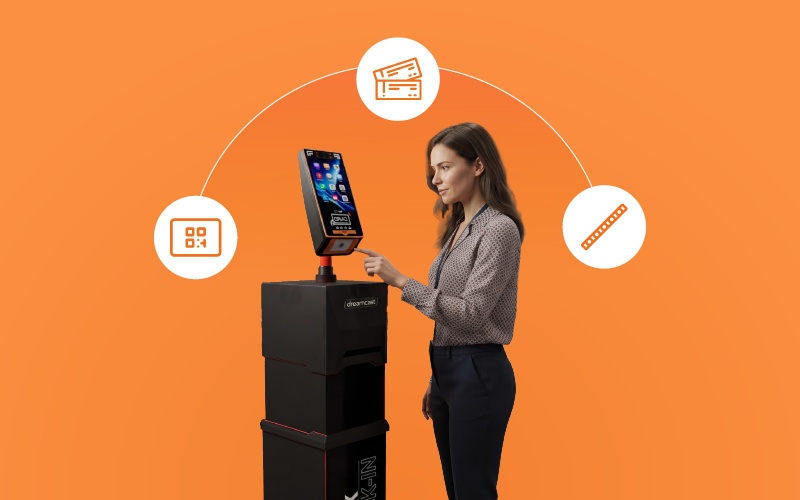
Event Access Management System
An event access management system secures entry and manages crowd flows. It ensures that attendees are in the right sessions and prevents unauthorized access. This improves satisfaction and engagement. When attendees feel organized and safe, they participate more actively. Higher engagement leads to better outcomes, which strengthens ROI.
Event Registration Software for B2B
Event registration software for B2B simplifies sign-ups and captures attendee preferences. It provides organizers with valuable data before the event even begins. Knowing who registered and what sessions they are interested in helps personalize communication. This personalization improves attendee experience and increases the likelihood of meaningful interactions. Better engagement translates into measurable ROI.

Key Drivers Behind Strong On-Ground Events ROI in 2026
The strength of on-ground events’ ROI in 2026 does not come from one single factor. It is the result of several drivers working together. Virtual and In-person formats, structured networking, and sponsorship opportunities are at the center, but there are more elements that add depth to the impact.
Hybrid Event Models Expanding Reach
Hybrid formats combine physical and digital participation. This allows organizations to reach audiences who may not attend in person while still keeping costs manageable. The blend of formats ensures that ROI is not limited to those who are physically present. It extends to remote participants who engage through digital platforms. This expansion of reach is one of the reasons why B2B event ROI continues to grow stronger.
Strategic Networking and B2B Matchmaking
Events are designed with structured networking opportunities. Attendees are guided toward the right people, ensuring that time spent is productive. This is not a random interaction but a planned engagement. When decision-makers meet relevant contacts, the chances of generating qualified leads increase. Networking becomes a direct driver of ROI, proving the value of event technology for B2B that supports matchmaking and scheduling.
Sponsorship and Partnership Revenue Streams
Events generate revenue not only from attendees but also from sponsorships and partnerships. These streams add financial strength and reduce the overall cost burden. Sponsors gain visibility, while organizers gain additional income. This balance strengthens ROI and makes events more sustainable.
Content Value and Knowledge Sharing
Events are not only about networking. They are also about sharing insights and knowledge. Sessions, panels, and discussions provide value that attendees carry back to their organizations. This content adds credibility to the event and increases attendee satisfaction. When participants feel they gained something useful, ROI rises naturally.
Stronger Attendee Engagement Through Technology
Technology plays a role in keeping attendees engaged. Mobile apps, live polls, and interactive tools ensure that participants remain active throughout the event. Higher engagement means more leads, more conversations, and more measurable outcomes. This is why event technology for B2B is seen as a direct contributor to ROI.
Long-Term Relationship Building
Events often spark relationships that last beyond the event itself. Attendees continue conversations, schedule follow-ups, and maintain contact. These long-term relationships add value that is not always visible immediately but shows up in future deals. This extended impact is another reason why on-ground events’ ROI remains strong.
Cost Efficiency Through Consolidation
Events bring multiple touchpoints into one setting. Instead of separate meetings, calls, and campaigns, companies interact with many prospects in a single event. This consolidation reduces customer acquisition costs. Lower costs combined with higher conversions make ROI more predictable and positive.

Best Practices to Maximize B2B Event ROI
Here are single-line best practices that help organizations achieve stronger B2B event ROI and measurable on-ground events ROI:
- Use data-driven attendee targeting to focus on decision-makers and relevant industries.
- Schedule meetings before the event to ensure productive use of time.
- Integrate event platforms with CRM and marketing automation for seamless lead management.
- Execute strong post-event follow-up strategies to convert leads into deals.
- Leverage event technology for B2B analytics to track engagement and refine future strategies.
- Enhance attendee experience with an event access management system for smooth entry and session control.
- Personalize communication using event registration software for B2B to improve engagement.
- Create structured networking opportunities that connect attendees with the right contacts.
Final Words:-
On-ground events remain one of the most powerful revenue-generating marketing channels for B2B organizations. With the right combination of event technology for B2B, targeted networking, and data-driven strategies, businesses can consistently achieve strong B2B event ROI.
On-ground events ROI proves that physical meetings deliver measurable outcomes.
Lead capture app for events ensures accurate and fast lead collection.
Event access management system secures and streamlines attendee experiences.
Event registration software for B2B improves engagement from the very first touchpoint.
Together, these elements explain why most organizations are seeing positive ROI in 2026 and why events will continue to be a cornerstone of B2B growth strategies.
FAQs
On-ground events ROI refers to the measurable return companies gain from hosting or participating in physical or hybrid events.
Event technology for B2B event includes tools like registration software, access management systems, and lead capture apps. These tools simplify processes, reduce errors, and provide measurable data that connects event activities directly to revenue.
Best practices include
Data-driven attendee targeting
Scheduling meetings before the event
Integrating platforms with CRM
Executing strong post-event follow-ups
Leveraging analytics
Enhancing attendee experience with access systems
Personalizing communication through registration software
And creating structured networking opportunities.
Yes. With the continued use of event technology for B2B, hybrid formats, and data-driven strategies, on-ground events will remain one of the most powerful revenue-generating channels for B2B organizations.