
TL;DR
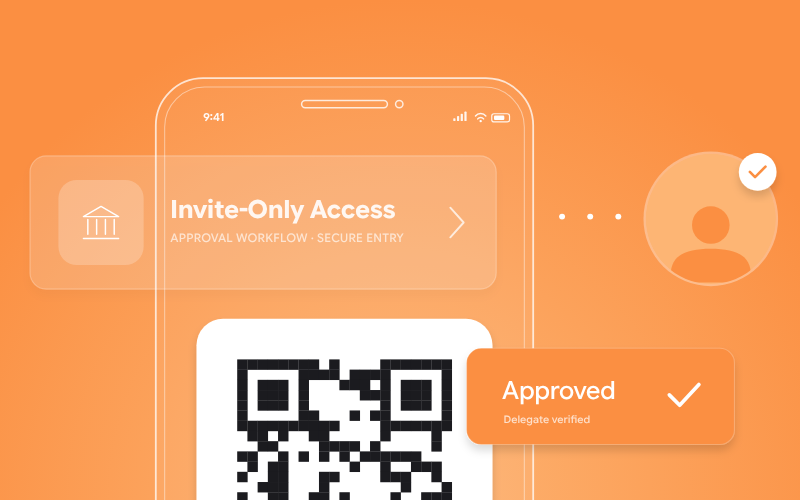
A white-label event registration platform allows event organizers to manage registrations, ticketing, and attendee communication under their own brand instead of displaying a third-party provider’s identity. It helps businesses create branded registration experiences, maintain control over attendee data, customize ticketing, and manage event revenue. From custom domains and registration forms to branded emails, QR-code badges, and payment workflows, white-label event registration software gives organizers greater control over how attendees interact with their events.
Introduction
When someone registers for your event, the registration experience is often their first interaction with your brand. If they land on a third-party website, receive emails carrying another company’s logo, or get redirected to an unfamiliar payment page, the experience can feel disconnected from your business.
This is where a white-label event registration platform makes a difference. It allows organizers to offer registration and ticketing services under their own brand, without exposing the technology provider behind the system.
Beyond branding, it also gives organizers more control over attendee information, registration workflows, ticket sales, and event revenue. Whether you manage corporate conferences, exhibitions, trade shows, or paid business events, a white-label solution helps create a consistent experience from registration to venue entry.
Let’s explore what white-label event registration software offers, which elements you can customize, and who can benefit most from using it.
What Is a White-Label Event Registration Platform?
A white-label event registration platform is a software solution that allows businesses and event organizers to use registration and ticketing technology under their own brand identity.
Instead of displaying the technology provider’s name, logo, or website, the platform carries the organizer’s branding across the registration journey. Attendees interact with the organizer’s website, forms, emails, payment pages, and event credentials.
For example, a company organizing an annual business conference can use white-label event registration software to create a registration microsite using its own domain, logo, brand colors, and messaging. Attendees can register, select ticket categories, make payments, and receive confirmations without encountering another company’s branding.
The technology provider manages the underlying infrastructure, while the organizer controls the attendee-facing experience.
A white-label solution may include:
- Registration management: Create customized registration pages, forms, and attendee categories.
- Ticketing management: Configure ticket types, pricing, discounts, and payment options.
- Brand customization: Use your own logo, colors, domain, and communication templates.
- Attendee data management: Access and manage registration information through the platform.
- Check-in and badge printing: Verify attendees using QR codes and issue branded event badges.
- Reporting and analytics: Monitor registrations, ticket sales, attendance, and revenue.
The level of customization depends on the software provider and its available features. Some platforms offer basic logo and color changes, while others support complete white-label experiences across registration, ticketing, communication, and on-site operations.
Read More: Event Registration Statistics Every Event Organizer Should Know
Why Should Your Brand Come First at Your Event?
Your event represents your organization, not the software provider helping you manage it. Every interaction should reinforce that identity. Here are some reasons why maintaining brand consistency throughout the registration process matters.
1. Build Brand Recognition and Trust
Attendees should recognize your organization at every stage of registration. When your logo, brand colors, and messaging remain consistent across the registration website, confirmation emails, tickets, and badges, the experience feels more professional.
It also reduces confusion. Attendees know which organization is hosting the event and where to look for important updates. For businesses that organize recurring conferences, exhibitions, and corporate events, consistent branding helps build familiarity with returning attendees.
2. Create a Professional Registration Experience
A registration process that redirects users to unrelated third-party websites can interrupt the attendee journey. A branded event registration experience keeps the process connected to your organization. Attendees can explore event details, select tickets, complete registration, and receive confirmations without feeling that they have moved between different services. This is particularly important for premium conferences, invitation-only events, and large corporate gatherings where the registration experience contributes to the overall perception of the event.
3. Maintain Control Over Attendee Data
Registration forms collect valuable information, including attendee names, contact details, company information, professional designations, and ticket preferences. With a suitable white-label event registration platform, organizers can manage this information through their own event management environment rather than depending on disconnected registration channels. However, white-label branding alone does not guarantee data ownership. Organizers should review the provider’s contract, data access rights, export options, processing responsibilities, and retention policies before selecting a platform.
4. Protect Your Revenue Opportunities
Registration and ticketing are directly connected to event revenue. When you use a white-label event ticketing solution, you can configure ticket categories, early-bird pricing, promotional codes, paid registrations, and other revenue-related options under your brand.
You can also maintain a more direct relationship with attendees instead of sending potential customers through multiple third-party platforms. For event management companies and agencies, this creates an opportunity to offer branded registration as part of their event services and build additional revenue streams.
What Can You White-Label in Event Registration Software?
White-label customization goes beyond adding a logo to a registration page. A comprehensive solution allows organizers to customize several attendee-facing touchpoints.
Here are the important elements to look for.
Custom Domain and Branded Microsite
A custom domain is one of the most visible parts of a white-label registration experience. Instead of sending attendees to a generic third-party URL, organizers can use a domain or subdomain associated with their business or event.
For example:
- Generic URL: providername.com/event/register
- Branded URL: register.yourcompany.com
The registration microsite can also be customized with your organization’s logo, brand colors, banners, event information, and other visual elements. You can include essential information such as event schedules, venue details, speaker profiles, ticket categories, and registration instructions. A branded microsite gives attendees a single destination to discover the event and complete registration. It also makes the registration link more recognizable when shared through social media, email campaigns, and WhatsApp.
Branded Registration Forms and Logic-Based Fields
Registration forms determine what information you collect from attendees. A white-label event registration platform should allow you to customize these forms according to your event requirements. You can add your logo, brand colors, instructions, and relevant questions while maintaining a consistent visual experience. More importantly, look for conditional or logic-based fields.
For example, an exhibition registration form may ask attendees to select their category:
- Exhibitor
- Visitor
- Speaker
- Media
- VIP
- Delegate
Based on their selection, the form can display relevant additional questions. An exhibitor may need to provide company and booth information, while a speaker may be asked to submit a designation and session details. This makes branded event registration more relevant to different attendee groups and prevents unnecessary questions from appearing on every registration form.
Branded Emails, WhatsApp Messages, and Badges
Registration does not end when someone submits a form. Attendees receive several communications before, during, and sometimes after the event.
A white-label event registration software should support branding across these touchpoints.
Email communications: Customize registration confirmations, payment receipts, reminders, ticket delivery messages, and event updates with your logo, colors, and brand-specific content.
WhatsApp messages: Use branded message templates to share registration confirmations, QR codes, event reminders, and important announcements through WhatsApp.
Event badges: Design badges using your organization’s branding, including logos, colors, attendee names, company details, and QR codes.
These elements help maintain consistency between the online registration experience and the physical event environment.
For example, an attendee who receives a branded QR ticket before the event should find the same event identity reflected on their printed badge at the venue.
Branded Ticketing and Payment Experience
Ticketing is another important part of the attendee journey, particularly for paid conferences, exhibitions, workshops, and business events. A white-label event ticketing solution should allow organizers to create ticket categories and manage their pricing without displaying the technology provider’s identity.
Common ticketing options include:
- Early-bird and regular tickets
- VIP and premium passes
- Single-day and multi-day passes
- Group and corporate bookings
- Complimentary and invite-only passes
- Discount codes and promotional offers
The payment experience should also remain connected to your brand wherever supported.
Organizers should be able to configure payment gateways, display relevant pricing details, manage taxes, and track transactions. Before selecting a platform, check whether payments are processed through your own merchant account or the provider’s account. Also review transaction fees, settlement timelines, refunds, and access to payment records. This is important because white-label ticketing should give you visibility into your revenue, not just control over the ticket design.
Branded Check-In and On-Site Experience
Your branding should not disappear when attendees arrive at the venue.
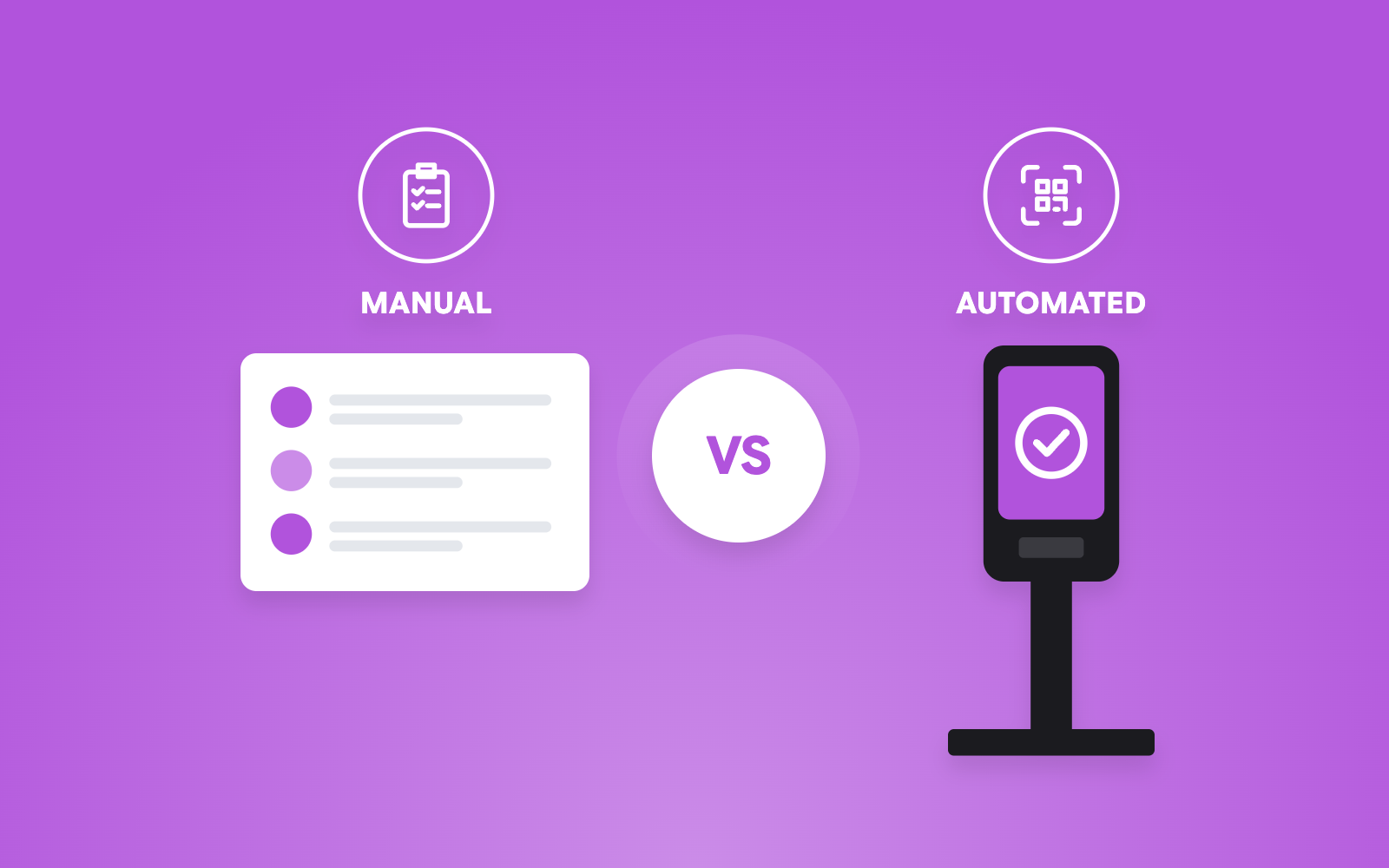
A well-integrated white-label event registration platform can connect online registrations with on-site check-in and badge printing. Attendees can scan their QR codes at the venue, allowing event staff to verify their registration details and issue personalized badges.
The organizer can customize badge layouts, including:
- Event and organization logos
- Attendee names and designations
- Company names
- Attendee categories
- QR codes for verification and access management
For larger conferences and exhibitions, category-based access control can also help manage entry into different event zones. Connecting registration, ticketing, and check-in creates a more consistent experience while allowing organizers to manage attendee information from a centralized system.
Who Benefits Most from White-Label Registration?
White-label event registration is particularly useful for businesses that organize events regularly or want to offer registration technology as part of their services.
1. Event Management Companies
Event agencies manage events for different clients, each with unique branding requirements. White-label software allows them to create separate branded registration experiences for different events without developing their own technology. They can offer registration, ticketing, attendee management, and check-in as part of their event management services.
2. Corporate Event Organizers
Businesses hosting conferences, annual meetings, product launches, and internal events can maintain their corporate identity throughout the registration journey. A branded registration website and communication system also help establish consistency across recurring corporate events.
3. Conference and Exhibition Organizers
Large conferences and exhibitions often have multiple attendee categories, ticket types, exhibitors, speakers, and sponsors. White-label registration software helps organizers manage these requirements while maintaining a unified event identity across registration, ticketing, badges, and check-in.
4. Ticketing Businesses and Event Entrepreneurs
Businesses offering ticketing services can use white-label event ticketing to provide customers with branded ticket sales and registration experiences. Instead of building a ticketing platform from scratch, they can use an existing technology infrastructure and focus on marketing, customer acquisition, and event partnerships.
5. Associations and Industry Organizations
Trade associations, professional bodies, and industry groups often organize recurring member events, seminars, and annual conferences. A white-label solution allows them to maintain their organizational identity, manage member and non-member registrations, and offer different ticket categories through a consistent platform.
Read More: Best Event Registration Software for Effortless Event Management
Final Thought
A white-label event registration platform gives organizers more than a branded registration page. It helps bring registration, ticketing, attendee communication, and on-site experiences under one consistent identity while providing greater visibility into attendee data and event revenue. The right solution allows you to focus on building your event brand without having to develop the entire technology infrastructure yourself.
FAQs
Regular event registration software may display the provider’s branding across registration pages and communications. White-label software allows organizers to replace those elements with their own branding and create a more consistent attendee experience.
Yes, many white-label platforms support custom domains or subdomains. This allows organizers to host registration microsites under their own website identity rather than using generic provider URLs.
Not automatically. Data ownership, access, export rights, and processing responsibilities depend on the provider’s contractual terms. Always review these conditions before choosing a platform.
Yes. Many platforms support paid ticketing, multiple ticket categories, discounts, payment gateway integrations, and transaction reporting under your brand.
Yes. Depending on the platform, you can customize confirmation emails, WhatsApp messages, digital tickets, QR codes, and physical badges with your organization’s branding.
Yes. White-label platforms with scalable infrastructure can support large conferences, exhibitions, and multi-day events. Check registration capacity, concurrent traffic handling, check-in speed, and integration capabilities before selecting a provider.