


Table of Contents
Table of Contents
TL;DR
In 2026, corporate events are more focused, open to everyone, and easier to measure. The main corporate event trends are hybrid events, sustainable choices, interactive experiences, content that lasts beyond the event, smaller gatherings, creative venues, accessibility, AI-powered planning, clear goals, and results-based success.
Introduction
Corporate events are about more than getting people in one room. Companies use them to connect with people, launch products, win new customers, and leave a lasting impression.
In 2026, the biggest corporate event trends point the same way: less focus on size, more on creating the right experience for the right audience.
The 10 Corporate Event Trends to Watch in 2026
1. Hybrid Events
Hybrid events are now a normal part of planning, not something added at the last minute. Searches for “hybrid event” have increased 309% in five years, so more people want this format.
Hybrid widens your reach to people who cannot travel while keeping face-to-face interaction. But streaming an in-person event alone does not make it a good hybrid event.
2. Sustainable Alignment
Sustainability is now a key consideration in corporate event planning, from reducing waste and travel to choosing venues, food, and branding more carefully.
Events do not need to go fully paperless. Digital invitations, reusable branding, responsible catering, and remote participation options are simple starting points that also signal a company’s values.
3. Interactivity
Large stages, impressive decorations, and celebrity speakers attract attention, but they do not automatically create a valuable event. In 2026, attendees want to take part, and how an event feels matters as much as what is on the agenda.
Participation-led design covers the whole journey:
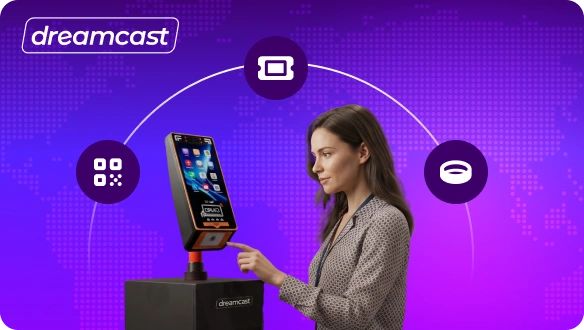
- Arrival: Event registration, smooth QR-based check-in, and easy access to agendas and event information.
- In sessions: Live polls, Q&A, gamification, and workshops that turn attendees into active participants.
- Between sessions: Networking tools, matchmaking, and comfortable spaces for meeting the right people.
- Remote attendees: Their own ways to take part, such as chat, polls, Q&A, and virtual networking, so they are not just watching a stream.
- Personal touches: Tailored communication, recommendations, and even rewards, including virtual gifts for remote participants.
Technology, such as mobile event apps, digital agendas, and live engagement tools, should support this experience by solving a real problem, not by being added simply because it is new.
Also Check: Top Event Marketing Statistics, Trends, and Benchmarks for 2026-27
4. Virtual Immersion
Virtual and hybrid events are moving beyond basic video streams. Some companies now use virtual reality (VR), augmented reality (AR), and 3D virtual spaces to give remote attendees a more immersive experience.
Instead of watching a screen, remote attendees can walk through a virtual venue, visit 3D exhibition booths, join sessions as avatars, and meet other attendees in shared spaces. This makes remote participation feel more active and social.
5. Smaller Events
Bigger does not always mean better. Smaller events with highly relevant audiences, such as executive roundtables, leadership dinners, and workshops, tend to produce more meaningful conversations.
They also make it easier for attendees to interact with speakers and each other. Aiming for the right people in the room, rather than maximum registrations, is one of the clearest corporate event trends of the year.
6. Creative Venues
Corporate events are moving beyond conference halls and hotel meeting rooms to museums, galleries, rooftops, studios, and outdoor spaces that support the event’s theme.
A technology company could host a product showcase in an innovation centre, while a creative brand could hold a networking event in an art gallery. Whichever venue you choose, plan carefully for seating, connectivity, power, safety, catering, and access needs.
Check Out: 50+ Trade Show Statistics & Trends for 2026 and Beyond
7. Accessibility
Accessibility is moving from a last-minute checklist item to a core part of event planning. An event only works if everyone invited can take part comfortably, onsite or remotely.
- Physical access: Step-free entrances, clear signage, accessible seating, and quiet spaces.
- Communication access: Live captions, sign language interpretation where needed, and accessible materials.
- Digital access: Screen-reader-friendly apps and platforms with more than one way to interact.
- Flexible participation: In-person and online options, recorded sessions, and chat as well as live Q&A.
Asking attendees about their needs at registration and acting on the answers is one of the simplest ways to make people feel welcome. Inclusive events tend to be better for everyone.
8. AI-Driven
AI is becoming a useful tool for corporate event teams. Rather than replacing professionals, it handles repetitive tasks and analyses information faster.
It can support content creation, attendee communication, audience segmentation, personalised recommendations, agenda planning, data analysis, and lead follow-ups. It also helps organisers spot patterns in registration, engagement, and feedback.
The key is to use AI where it improves efficiency while keeping people involved in important decisions.
9. Goal-Oriented
Corporate events are increasingly planned around a clear objective. Before choosing a venue, speaker, technology, or format, organisers should ask: what should this event achieve?
Whether the goal is generating leads, launching a product, training employees, or building culture, a clear purpose makes every other decision easier, including content.
Generic presentations are no longer enough. Content should be practical and tied to the event’s goal, with workshops, case studies, expert discussions, and demonstrations replacing long presentations. A leadership event may focus on strategy, while a training event focuses on practical skills.
Read More: 35+ Event Registration Statistics Every Event Organizer Should Know in 2026
10. Success Measured by Outcomes
Success is no longer judged by registrations alone. Organisers are increasingly looking at the quality of conversations, leads generated, meetings held, attendee satisfaction, engagement, and follow-up actions.
87% of marketers consider opportunities generated by virtual events a success factor, while 85% consider attendee satisfaction a success factor. These figures relate to virtual events specifically, but they reflect a wider move toward outcome-based measurement.
Purpose-led planning makes this easier. When the objective is clear from the start, the right metrics follow, whether that is leads and conversions for a launch or satisfaction and engagement for an employee event.
Event Formats That Work Best in 2026
Different corporate goals require different formats. Some of the formats gaining attention include:
- Hybrid conferences: Combine onsite networking with remote participation.
- Executive roundtables: Create smaller environments for focused discussions.
- Leadership summits: Bring senior professionals together around business and industry topics.
- Employee engagement events: Help companies connect distributed teams and strengthen company culture.
- Product launches: Combine storytelling, demonstrations, audience interaction, and digital reach.
- Workshops and training sessions: Focus on practical learning and active participation.
- Virtual events: Reach audiences across locations without requiring everyone to travel.
The right format depends on the audience, objective, budget, and expected outcome.
Event Technology Worth Adopting
Technology should make an event easier, more engaging, more accessible, or more measurable. Useful options in 2026 include:
- Event registration platforms
- Mobile event apps and QR-based check-in
- Hybrid and virtual event platforms, including live streaming
- Live captioning and accessibility tools
- Networking and matchmaking platforms
- Audience polling and Q&A tools
- AI-powered event tools
- Event analytics and reporting
Organisers should avoid adding technology simply because it is trending. Every tool should have a clear purpose and fit into the attendee journey.
Also Read: 37+ On-Ground Event Statistics Every Event Organizer Should Know in 2026
How to Plan a Successful Corporate Event
Strong corporate events begin well before the event day. Start by defining the objective and audience, then choose the format, venue, content, speakers, technology, and communication strategy.
Plan the attendee journey from registration to post-event follow-up:
- Before the event: Registration (including access needs), promotion, communication, and preparation.
- During the event: Engagement, accessibility, networking, and smooth operations.
- After the event: Feedback, lead follow-up, content distribution, and measuring results.
This approach helps teams understand what worked and what to improve next time.
Conclusion
The corporate event trends for 2026 point toward experiences that are more purposeful, interactive, inclusive, personalised, and measurable. Hybrid participation, sustainability, accessibility, AI, smaller audiences, creative venues, and purpose-led content are changing how companies approach events.
The biggest shift is that success is no longer measured only by how many people attend. Companies are paying more attention to participation, satisfaction, business opportunities, relationships, and long-term value.
By combining the right format with useful technology and audience-focused planning, organisations can create events that continue to deliver value beyond the event day.
FAQs
Major trends include hybrid events as a default format, sustainable planning, participation-led experiences, year-round content, smaller high-intent audiences, unconventional venues, accessibility and inclusion, AI-supported planning, purpose-led content, and a stronger focus on measurable outcomes.
Yes. Hybrid events remain important because they combine in-person interaction with remote participation. Searches for “hybrid event” have increased by 309% over the last five years.
AI can support content creation, attendee segmentation, communication, data analysis, personalised recommendations, lead follow-ups, and post-event reporting.
Companies can use interactive sessions, live polls, Q&A, networking, workshops, gamification, personalised content, and dedicated experiences for remote attendees.
Companies can ask about access needs at registration, provide live captions and accessible materials, choose venues with step-free access, and offer flexible ways to take part both onsite and online.
Success can be measured through registrations, attendance, satisfaction, engagement, leads, meetings, opportunities generated, conversions, and overall ROI. Outcome-based measurement is one of the fastest-growing corporate event trends.
Simplify Event Planning Hassle-Free