


Table of Contents
Planning an event is no small feat. No matter what type of event it is, event organizers need to juggle several things, from logistics to attendee engagement and much more.
That’s where event tech becomes a hero to make the event planning and execution easier. However, there are a variety of tools that make it overwhelming to figure out what works, what’s hype, and how to make it all come together smoothly.
That’s exactly why we’ve put together this guide on event tech best practices.
Let’s make event tech simple, smart, and successful. Ready? Let’s dive in.
Table of Contents
8+ Event Tech Best Practices To Deliver Engaging Experiences
1. Start With the Right Event Tech Stack
First things first, you need the right tech stack for your event. Just like a chef wouldn’t cook a five-star meal with a plastic spoon, you shouldn’t plan a modern event with outdated or clunky tools.
Here’s the core event tech stack you’ll want to consider:
Event Registration Platform: Use a dedicated platform to manage event registrations and get analytics to know about the footfall and much more.
Event App: Give attendees everything at their fingertips with an event app. An event app can help with an agenda, networking features, maps, and live updates.
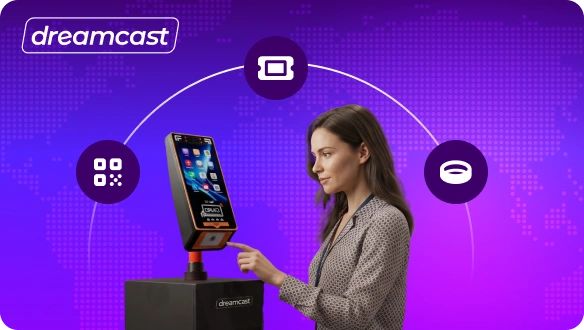
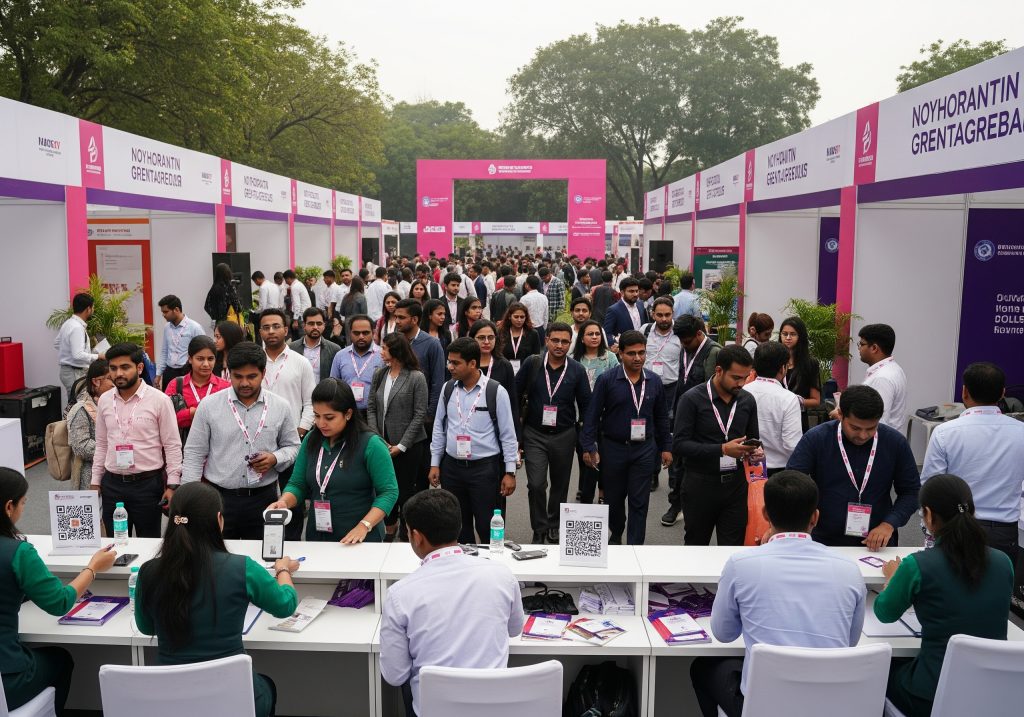
Event Check-In and Badging: Make your event check-ins and entry faster with digital check-ins and onsite badge printing. Guests don’t like long lines. Use modern event check-in systems to get rid of long lines.
Streaming & Hybrid Tools: Need a virtual audience too? Look at the hybrid platforms to create reliable hybrid experiences. You can also add engagement with live polls, Q&A, and gamification.
2. Simplify Your Attendee Journey
The big truth is that if it’s complicated for your attendees, it’s broken.
That starts with registration. No one wants to fill out a 20-field form or create five different accounts. Choose platforms that offer:
- One-click registration (via LinkedIn, Google, etc.)
- QR code confirmations
- Mobile-optimized flows
- Instant calendar sync
And once attendees arrive? How you make their journey flawless is what matters a lot. You can use:
- Self-check-in kiosks.
- RFID wristbands or badges.
- Real-time notifications on the app.
What Works: You can use facial recognition for check-ins and see attendees getting entry within a few seconds. That’s how you create “wow” moments.
3. Engage Early (and Keep It Going)
Don’t wait until the event day to connect. Event tech solutions can help you create excitement before the event even starts.
You can engage early via:
- Email campaigns based on behavior (someone signs up for a session? Send them speaker bios).
- Push notifications from your event app for reminders, tips, or sponsor messages.
- Networking lounge or private event communities that could encourage attendees to make connections early.
- Once the event kicks off, the goal is to keep the energy alive.
Leverage event engagement tools to run:
- Live polls to collect opinions instantly
- Q&A sessions where questions are upvoted
- Leaderboards for engagement or gamification
- Real-time feedback surveys after sessions
Engagement is not just about making things flashy. It’s about involving your audience. The more they participate, the more value they feel.
4. Make Networking Magical (Not Awkward)
Most people dread networking. But with the right tech, it doesn’t have to feel awkward and fearful.
One of the event tech best practices is to use smart event platforms to offer:
- AI-based matchmaking: These tools suggest connections based on interests, industry, or goals.
- Meeting scheduler: Attendees can schedule meetings with others directly through the app.
- Virtual meeting rooms: For hybrid or remote attendees to participate equally.
What Actually Works: Speed networking sessions powered by a matchmaking app. You get structured, efficient, and valuable interactions, without the awkward small talk.
5. Automate Onsite Operations and Management
Event tech isn’t just for attendees, it’s for you and your team, too. Event tech best practices are also about automating onsite tasks that free up time to focus on the bigger picture.
Here’s what tech can handle for you:
- Real-time attendee tracking: Know who’s in which session and how long they stayed.
- Inventory management: Monitor merch, food, and giveaways.
- Automated alerts and communication: Use WhatsApp and a mobile app to automate the on-site communication and important alerts.
6. Hybrid Isn’t Going Away, So Get It Right
If you are thinking hybrid events are outdating and getting out of trend, think again. When it comes to event tech best practices, most events prefer making their event a hybrid that makes the best of both worlds, i.e., digital and in-person.
To make it work:
- Invest in a robust streaming platform that can take your event live on digital screens without glitches.
- Offer on-demand content for those in different time zones.
- Create interactive sessions where both in-person and remote attendees can participate equally.
And don’t forget, hybrid event tech best practices require twice the planning. But with the right tools, it delivers twice the reach.
7. Don’t Just Collect Data, Use It Smartly
Event tech tools provide you with insights in the form of data. Event tech best practices involve leveraging this data smartly.

With the right platform, you can get the dashboards that help you measure the metrics such as:
- Session popularity
- App usage stats
- Registration vs. attendance rates
- Engagement levels per attendee
But that’s just the surface.
The real deal is when you:
- Identify which speakers/topics resonated the most
- Share insights with sponsors to prove ROI
- Spot drop-off points to improve the next event
8. Give Sponsors More Than Just Visibility
Sponsors want visibility, but not just in the form of banners and booths. Event technology solutions help create meaningful sponsor interactions.
How?
- Allow sponsors to host sessions or webinars
- Use your event app to push sponsor content (videos, promos, whitepapers)
- Enable sponsored networking lounges
- Run AR games or QR scavenger hunts featuring sponsor brands
Smart Practice: Give sponsors access to attendee insights (like interest tags or profile data), which helps them tailor outreach and makes your event more valuable.
9. Don’t Forget the Human Element
Yes, this is an article about technology, but don’t get so tech-happy that you forget the people.
The best event technology solutions are invisible. They work so well that your attendees hardly notice. It’s about making their experience smoother, more enjoyable, and more valuable.
So here’s a final checklist for every tool or feature you use:
- Does it solve a real problem?
- Is it easy to use, without a manual?
- Does it help attendees connect better?
- Will your team thank you for using it?
If the answer is yes, then you’re doing it right.
Final Thoughts: Event Tech Shouldn’t Be Complicated
At the end of the day, event tech should do one thing: make your life easier.
You don’t need the shiniest platform out there. What you need is the right mix of tools tailored to your event type, your team’s capacity, and your attendees’ needs.
When used smartly, event tech tools can save time, cut costs, impress attendees, attract sponsors, and make your event unforgettable.
So don’t be afraid to lean into the tech, just do it with intention. Stay focused on the experience. And trust that with the right approach, event tech really can be easy.