

Table of Contents
TL;DR Summary:
Cashless payment systems make transactions faster, lines shorter, and the overall event operations more secure.
Organisers who want to deliver a fast and smart payment system to their attendees for an elevated experience must try the Cashless payment system.
If you go Cashless in your events with Dreamcast, you get benefits like increased attendee spending, transaction analytics in one place, easy inventory management, and an internet-independent NFC-powered Cashless payment system.
Cashless payment systems are changing how modern events handle transactions, attendee movement, and vendor operations. From music festivals and exhibitions to conferences and hybrid events, organizers now prefer faster and contactless payment experiences that reduce queues and improve operational control.
A smart cashless payment system allows attendees to pay instantly using RFID wristbands, QR codes, NFC devices, mobile wallets, or prepaid event accounts. The result is quicker transactions, better crowd flow, stronger payment security, and a smoother attendee experience.
According to industry reports, contactless payments can reduce transaction time by up to 60% compared to cash-based purchases, making them especially valuable for high-footfall events. Event organizers also gain access to real-time analytics, centralized transaction tracking, and better inventory visibility throughout the event lifecycle.
In this blog, you will learn how cashless event payment systems work, their key features, benefits, and why they are becoming a standard technology for modern events.
Key Takeaways
- Cashless payment systems make event transactions faster, safer, and more convenient for attendees.
- RFID, NFC, QR codes, and mobile wallets help reduce queues and improve crowd flow at events.
- Organizers get real-time access to transaction tracking, spending analytics, and vendor performance data.
- Offline payment functionality helps events continue operating even during poor internet connectivity.
- Cashless event technology can increase attendee spending and improve overall event efficiency.
- Dreamcast is a leading event cashless payment system provider that can help event organizers to simplify the payment process at their large-scale events.
What Is a Cashless Payment System for Events?
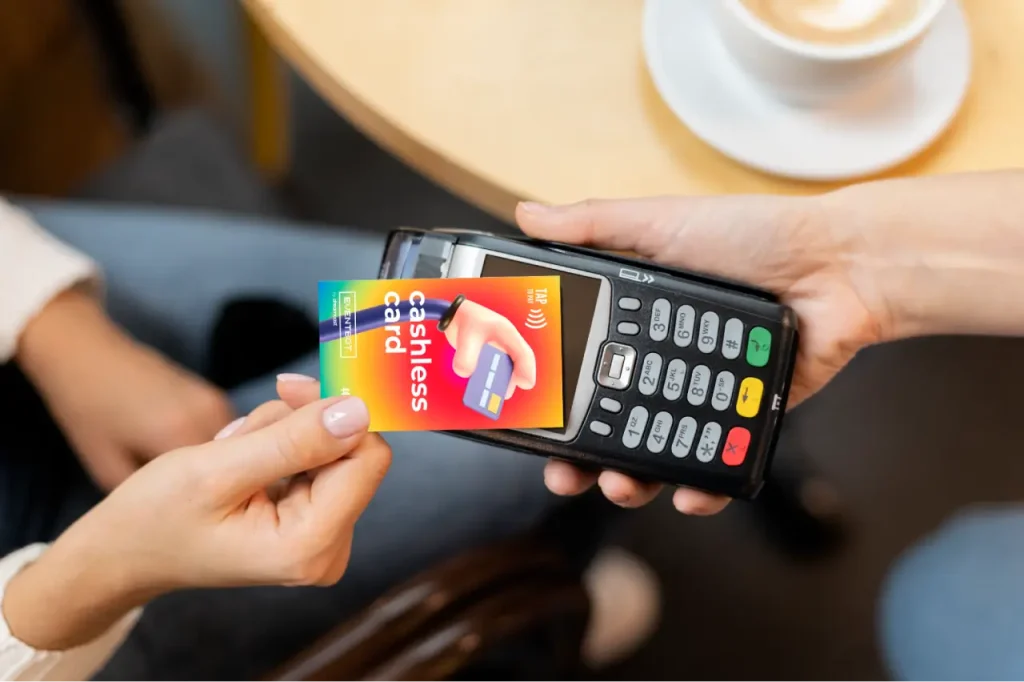
A cashless payment system for events allows attendees to make fast digital payments without using physical cash. Instead of cash, attendees pay with RFID wristbands, QR codes, NFC-enabled devices, mobile wallets, prepaid cards, or contactless payment methods.
Modern event cashless systems can process transactions in as little as 1–2 seconds, helping organizers reduce queues, improve crowd movement, and increase transaction efficiency during high-footfall events. Studies also show that contactless payments can be up to 10 times faster than traditional payment methods.
These systems are now widely used across:
- Music festivals
- Trade shows
- Conferences
- Sporting events
- Exhibitions
- Nightclubs
- Corporate gatherings
- Etc.
Instead of carrying cash or waiting at ATMs, attendees can simply tap, scan, or pay through linked digital wallets. At the same time, event organizers gain access to real-time transaction tracking, attendee spending insights, inventory visibility, and centralized financial reporting.
The global shift toward contactless payments is also accelerating rapidly. In India alone, contactless payments grew nearly 6x within three years as digital payment adoption increased across industries.
“70% of Consumers Prefer Digital Payments, Onbe Future of Payments Survey Reveals”
What are the Key Features of a Cashless Payment System for Events?
Here are the essential features of a cashless payment system:
User-Friendly Interface
Why is a user-friendly interface important in a cashless payment system? A user-friendly interface helps attendees complete payments up to 40% faster, reduces transaction errors, and improves the overall event experience. At large-scale events, even saving 5–10 seconds per transaction can significantly reduce queues and improve crowd movement.
The best cashless payment systems are built for speed and simplicity. Attendees should be able to pay, top up balances, or access their wallets within a few taps without needing training or staff assistance. Clear buttons, easy navigation, and minimal payment steps become especially important during peak event hours when thousands of transactions happen simultaneously.
Studies show that 88% of users are unlikely to return after a poor digital experience, while nearly 70% prefer platforms that are simple and easy to use. In event environments, complicated payment flows often lead to abandoned purchases, longer lines, and attendee frustration.
A simple interface is not just about appearance. It directly impacts transaction speed, attendee trust, vendor efficiency, and overall event revenue. When attendees feel comfortable using the payment system, they are more likely to continue spending throughout the event.
Secure Transactions
Secure transactions protect attendee payment data, reduce fraud risks, and build trust during events. With global digital payment fraud losses expected to exceed $40 billion annually, security has become a critical feature in modern cashless event systems.
Reliable cashless payment platforms such as Dreamcast use encrypted transactions, tokenization, secure payment gateways, and fraud detection systems to prevent unauthorized access and fake transactions. These systems also help organizers monitor suspicious payment activity in real time.
Strong security measures improve attendee confidence, especially at large events handling thousands of transactions per hour. They also reduce the risks linked to physical cash, such as theft, cash mismanagement, and accounting errors.
Best part? When attendees trust the payment system, they are more likely to make smooth and repeated purchases throughout the event.
Real-Time Reporting and Analytics
“If you can’t measure it, you can’t manage it.”- Peter Drucker
Why are real-time reporting and analytics important in cashless event payments? Real-time reporting helps event organizers track transactions instantly, monitor attendee spending behavior, and make faster operational decisions during live events. Studies show that data-driven event teams can improve operational efficiency by up to 30% through real-time analytics and reporting tools.
Modern cashless payment systems provide a centralized dashboard that tracks:
- Transaction records
- Wallet balances
- Vendor performance
- Purchase trends
- Refund activity
- Peak sales hours
These insights help organizers identify high-demand products, manage inventory more efficiently, and reduce operational delays during busy event periods.
Real-time analytics also improve future event planning by revealing attendee purchasing behavior, vendor performance patterns, and revenue trends. Instead of relying on manual reports after the event, organizers can make informed decisions instantly while the event is still running.
Multiple Payment Options
Why should a cashless event payment system support multiple payment options? Supporting multiple payment options improves attendee convenience, increases successful transactions, and helps events serve a wider audience. Research shows that nearly 70% of consumers prefer businesses that offer their preferred payment method, especially during fast-paced live experiences.
Modern cashless payment systems should support:
- UPI
- Debit cards
- Credit cards
- Mobile wallets
- Bank transfers
- NFC-enabled devices
- QR code payments
Different attendees have different payment habits. Some prefer UPI, while others rely on contactless cards or mobile wallets. Offering multiple payment methods reduces payment friction and helps attendees complete purchases faster.
This flexibility becomes even more important at large-scale events processing thousands of transactions per hour. When attendees can pay using their preferred method, organizers often see higher transaction success rates, faster checkout times, and improved attendee satisfaction throughout the event.
24/7 Customer Support
The effectiveness of a cashless payment system also depends on the quality of customer support. The system should provide reliable assistance to handle issues or questions from attendees, vendors, and event organizers.
Support channels may include:
- Live chat
- Email support
- Phone support
- On-ground assistance desks
Quick issue resolution improves attendee satisfaction and helps events operate smoothly.
NFC-Based Cashless Payments
NFC (Near Field Communication) technology allows attendees to make quick and simple contactless payments using smartphones or NFC-enabled wristbands.
Attendees only need to place their NFC-enabled device close to an NFC reader at the point of sale. Payments are processed instantly, creating a fast and convenient transaction experience.
NFC-based systems also reduce waiting times and help improve transaction security during events.
In addition, event organizers can track sales data in real time and make informed decisions related to inventory, staffing, and event operations.
Offline Cashless Payment Processing
Offline payment functionality allows events to continue processing transactions even when internet connectivity fails or becomes unstable. This is critical because network disruptions at large events can impact thousands of attendees and delay vendor operations within minutes.
Nearly 60% of event venues experience temporary network congestion during high-attendance periods, especially at outdoor festivals and exhibitions. An offline-capable cashless payment system helps prevent transaction interruptions and keeps sales moving smoothly.
Offline transaction support is especially valuable for:
- Outdoor festivals
- Remote venues
- Stadium events
- Large-scale exhibitions
- High-footfall concerts
With an offline cashless payment system, vendors can continue accepting payments without relying entirely on live internet access. Once connectivity returns, transaction data automatically syncs with the central system. This reduces operational downtime, prevents long queues, and ensures uninterrupted attendee spending throughout the event.
POS for Itemized Billing
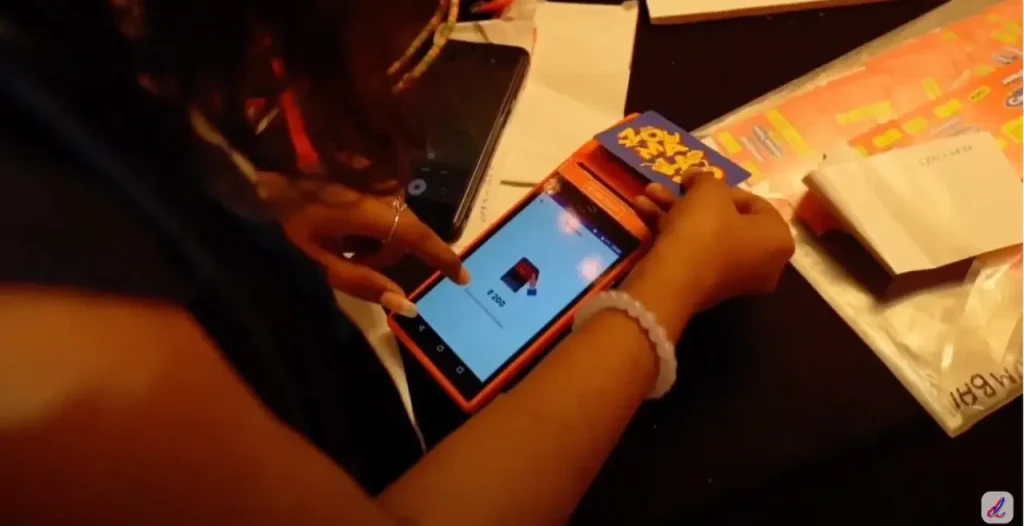
POS systems with itemized billing improve transaction accuracy, billing transparency, and vendor efficiency during live events. It is a fact that businesses using digital POS systems can reduce manual billing errors by up to 30% while improving checkout speed and transaction tracking.
Itemized billing gives attendees a clear breakdown of every purchase, including:
- Product names
- Quantity purchased
- Taxes or service fees
- Total amount spent
This transparency helps attendees verify purchases instantly and reduces payment-related disputes during the event.
For organizers and vendors, POS systems simplify inventory management, sales tracking, and financial reporting in real time. Multiple POS terminals can also be deployed across food courts, merchandise zones, and activity areas to reduce queues and improve payment accessibility. At high-footfall events, faster POS processing directly improves attendee flow and vendor operations.
How Does a Cashless Event Payment System Work?
A cashless event payment system works by allowing attendees to make instant digital payments using RFID wristbands, prepaid cards, QR codes, or NFC-enabled devices instead of physical cash. Most transactions are completed within 1–3 seconds, helping reduce queues and improve crowd movement at busy events.
Here’s how the process typically works:
- Attendees Receive Cashless Credentials
Event attendees are provided with RFID wristbands, cashless prepaid cards, or digital payment credentials. - Funds Are Added Through Top-Ups
Attendees can add money using UPI, debit cards, credit cards, mobile wallets, or online payment gateways before or during the event. - Vendors Accept Contactless Payments
Food stalls, merchandise counters, and activity zones use POS payment system to accept tap-and-pay transactions instantly. - Transactions Are Processed in Real Time
Payments are securely recorded and synced with the event management dashboard, even in offline-supported systems. - Organizers Access Live Analytics
Organizers can monitor sales activity, attendee spending patterns, peak purchase times, and vendor performance through real-time reporting tools.
This simplified payment process improves operational efficiency while creating a faster and more convenient attendee experience.
Cash Payments vs Cashless Event Payments
Here is a comparison table of traditional and cashless payment systems.
| Feature | Cash Payments | Cashless Payments |
| Transaction Speed | Slower | Faster |
| Queue Management | Difficult | Easier |
| Real-Time Tracking | Limited | Available |
| Fraud Risk | Higher | Lower |
| Attendee Convenience | Moderate | High |
| Data Insights | Minimal | Detailed |
| Refund Handling | Manual | Faster and automated |
What are the Benefits of Using a Cashless Payment System at Events?
Here are the key benefits of using a cashless payment system for large-scale events.
Faster Transactions and Shorter Queues
Long queues are common at concerts, exhibitions, festivals, and trade shows. Cashless payment systems help reduce waiting times by enabling faster checkouts. RFID wristbands, QR codes, and NFC payments allow attendees to complete purchases within seconds. Faster transactions improve crowd movement and reduce congestion at vendor stalls.
Increased Event Revenue
Cashless systems often encourage higher attendee spending because transactions become faster and more convenient. Attendees do not need to carry cash or search for ATMs. This frictionless payment experience can increase purchases at food stalls, merchandise counters, and activity zones.
Cashless systems may also create additional revenue opportunities through:
- Card activation fees
- Vendor commissions
- Wallet top-ups
- Sponsored payment experiences
Better Security and Fraud Prevention
Handling physical cash increases the risk of theft, loss, and accounting errors. Cashless payment systems improve security through encrypted transactions and secure payment processing. Features like fraud monitoring, authentication, and secure data storage help protect attendee information and reduce financial risks.
Easier Event Management Integration
A cashless payment platform can integrate with event management software to simplify operations.
This integration helps organizers:
- Monitor transactions in real time
- Manage vendors efficiently
- Track attendee behavior
- Access centralized reports
- Improve operational visibility
Integration reduces manual processes and helps teams make faster decisions during live events.
Transparency in Transactions
Cashless payment systems automatically record every transaction digitally. This creates greater transparency for event organizers, finance teams, and vendors. Since transactions are automated and traceable, there is less room for billing mistakes or financial discrepancies.
Centralized Tracking and Reporting
Cashless systems allow organizers to view all payment activity from a centralized dashboard.
Organizers can quickly identify:
- Best-selling products
- Peak purchase hours
- Vendor performance
- Attendee spending trends
- Inventory needs
Real-time data helps event teams improve staffing, stock management, and future planning.
Better Attendee Experience and Freedom
Cashless payments make events more convenient for attendees. People can make purchases quickly without carrying physical cash.
A simple tap or scan helps attendees move freely around the venue while spending less time waiting in lines.
Attendees can also:
- Monitor spending easily
- Reload funds instantly
- Avoid ATM queues
- Reduce the risk of losing cash
Overall, cashless payment systems create a smoother and more enjoyable event experience.
Why Cashless Payments Are the Future of Events
Cashless payments are becoming the future of events because they make transactions faster, reduce operational friction, and match the growing global shift toward digital-first experiences. From music festivals to large exhibitions, attendees now expect quick, contactless, and mobile-friendly payment options.
The numbers clearly show this shift. According to industry reports, the global contactless payment market is expected to grow from USD 50.7 billion in 2026 to over USD 128 billion by 2034.
In India, digital payments now account for 99.8% of total transaction volume, showing how rapidly consumers are moving away from cash-based systems.
Cashless event technology is now widely used across:
- Conferences
- Exhibitions
- Music festivals
- Sporting events
- Hybrid events
- Corporate gatherings
These systems help organizers process thousands of transactions per hour while reducing queues and improving attendee flow. Contactless transactions can also be completed in just 1–3 seconds, making them significantly faster than traditional cash payments.
Beyond convenience, cashless payment systems provide:
- Real-time spending analytics
- Vendor performance tracking
- Centralized reporting
- Better inventory visibility
- Faster refund processing
- Improved fraud protection
Industry leaders also emphasize the growing importance of real-time payment intelligence.
“The goal is to turn data into information, and information into insight.” — Carly Fiorina
As attendee expectations continue evolving, event organizers are increasingly adopting RFID, NFC, and mobile wallet technologies to deliver faster, safer, and more connected event experiences. AI-driven analytics, smart POS systems, and contactless infrastructure are expected to play an even bigger role in the future of live events.
Go Cashless With Dreamcast
If you are looking for a reliable cashless payment system for your event, Dreamcast can help.
Dreamcast offers customizable cashless payment solutions designed for large-scale events. Our platform helps event organizers improve payment efficiency, reduce operational complexity, and create smoother attendee experiences.
What makes Dreamcast different is its ability to combine:
- Offline cashless payment processing
- NFC and RFID-based transactions
- Real-time reporting and analytics
- POS-based itemized billing
- Inventory tracking
- Fast attendee top-ups
- Secure and traceable transactions
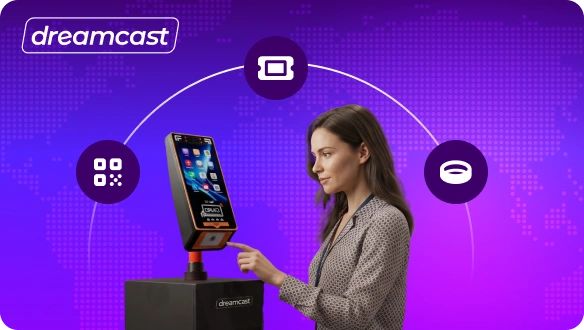
- High-speed entry and payment experiences
The Dreamcast Cashless platform has already supported:
- 500+ events globally
- $5M+ in cashless transactions
- 550,000+ card and wristband swipes processed
Success Story: How Dreamcast Powered Ziro Fest 2024

One of the strongest examples of Dreamcast’s cashless event capabilities was at Ziro Festival of Music 2024, one of India’s largest outdoor music festivals.
During the four-day festival, Dreamcast delivered:
- Cashless payment infrastructure
- NFC-enabled wristbands and cards
- Real-time POS systems
- Offline transaction processing
- Fast attendee check-ins
- Live reporting dashboards
The event welcomed around 6,000–7,000 attendees daily, creating a high-volume payment environment that required speed, reliability, and uninterrupted operations.
Results Achieved at Ziro Fest 2024
Dreamcast helped the organizers achieve measurable operational improvements:
- 40% reduction in queue times
- 25% increase in attendee spending
- 10,000+ transactions processed
- Average transaction time of only 5 seconds
- Zero cash handling discrepancies
- Smooth payments despite limited internet connectivity
The offline-ready NFC payment infrastructure became especially important because the festival venue had limited network connectivity. Despite this challenge, transactions continued without disruption using Dreamcast’s internet-independent cashless payment system.In simple words, whether you need RFID payments, QR-based transactions, NFC-enabled access, or real-time event analytics, Dreamcast provides flexible solutions tailored to your event requirements. So what are you waiting for? Connect with Dreamcast and improve the cashless payment process at your event.
FAQs
Yes. Most cashless payment systems use encryption, secure payment gateways, fraud prevention measures, and authentication protocols to protect attendee and transaction data.
If an attendee loses their wristband or payment card, the event support team can deactivate it to prevent unauthorized transactions. A replacement device can usually be linked to the attendee account.
Yes. Most cashless payment systems allow attendees to request refunds for unused wallet balances after the event.
Yes. Many cashless event payment systems allow attendees to track transactions and spending history in real time through mobile apps or web portals.
Most systems support UPI, debit cards, credit cards, QR payments, mobile wallets, NFC-enabled devices, and prepaid event wallets.
Some advanced cashless payment systems support offline transaction processing, allowing events to continue operating even during poor internet connectivity.
Yes. Cashless systems are widely used at festivals, exhibitions, trade shows, conferences, and sporting events because they help manage high transaction volumes efficiently.