 Event Core
 Phygital Events
 Event Apps & Platform
 On-site Solution





Table of Contents
Planning an event can feel like juggling a dozen things. But, it doesn’t have to be that overwhelming. You need the right steps, in the right order, with the right tools. Understanding the event planning stages is the secret ingredient for success, whether you’re organizing a small networking meet-up or a big corporate expo.
So if you’ve ever felt overwhelmed or unsure where to start, don’t worry. This guide walks you through the 9 key stages of event planning with helpful insights and practical tips along the way. Let’s get into it.
Table of Contents
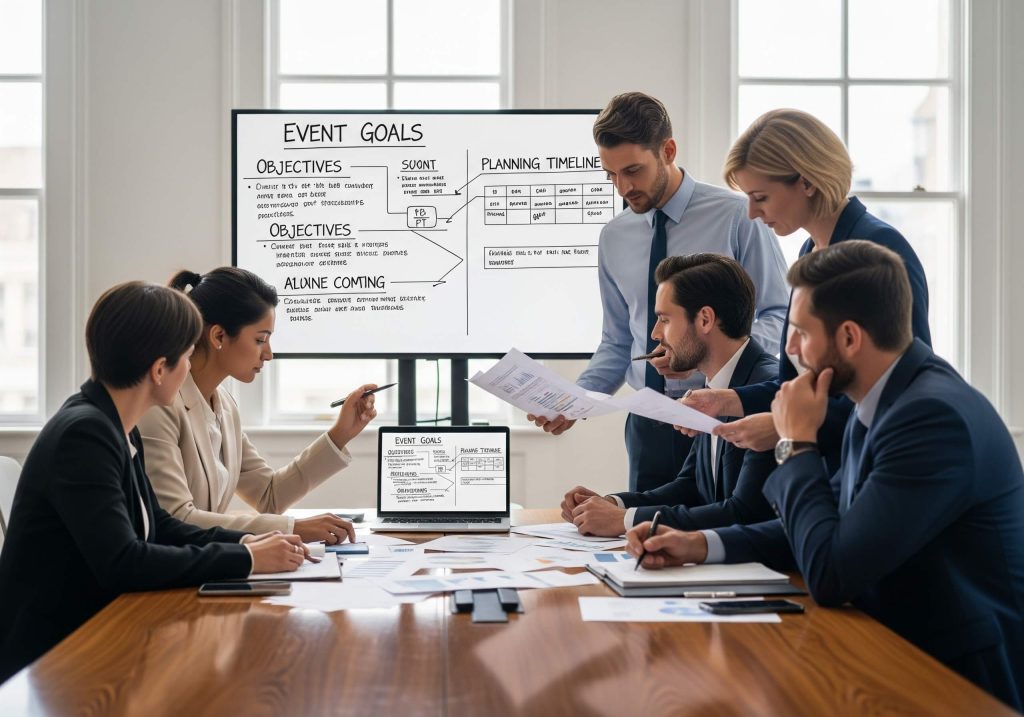
Stage 1. Define Your Goals and Objectives
Every successful event begins with a clear purpose. Before you even start thinking about venues or decor, ask yourself: Why are we doing this event? That single question sets the tone for everything else.
Maybe you’re trying to generate leads, educate your audience, raise money, or build brand awareness. Your “why” will shape everything from your event format to your follow-up emails. It’s also what helps you measure success afterward.
Once you know your goals, align your goals with your target audience and the outcomes you want. Having this clarity from day one keeps the entire process grounded and strategic.
Pro tip:
Write down 2-3 SMART goals (Specific, Measurable, Achievable, Relevant, Time-bound). It’ll keep you laser-focused throughout the process.
Stage 2: Create Your Event Budget
Budgeting may not be the most exciting part of the event planning process, but it’s one of the most important. You’ll need to factor in venue costs, vendor fees, technology, promotions, staffing, and unexpected expenses.
You’ll be estimating costs for things like:
- Venue or virtual platform
- Catering
- Audio/visual equipment
- Event staff
- Speakers and entertainment
- Marketing and ads
- Event tech systems and registration platforms
- Swag or giveaways
Key questions to ask:
- What’s our total budget?
- What areas are most critical to invest in?
- Do we need sponsorships to supplement the budget?
Don’t forget to leave room for unexpected expenses. There’s always something that pops up last minute, trust me. Making the right decisions becomes easier throughout the planning process when you align your budget with your goals.
Stage 3: Design the Event Concept
Now it’s time to bring your event to life on paper in your event planning process. This is the creative stage, where you define the theme, the vibe, and the structure of your event.
Think about the overall experience you want to deliver. Is it formal or fun? Intimate or high-energy? In-person, virtual, or hybrid?
Use these event technology solutions to help you design events for both in-person and digital experiences that wow:
- Virtual event platforms for designing branded virtual venues.
- Event apps can give attendees a personalized schedule, speaker bios, and real-time updates.
- Gamification platforms for engaging experiences like quizzes, scavenger hunts, or point systems.
From the agenda to the visuals, every detail should reflect your brand and your event goals. A well-thought-out concept doesn’t just make the event look good, but it also makes it memorable for attendees.
Stage 4: Choose a Venue or Platform
Once your concept is locked in, it’s time to pick a venue or, if you’re going virtual, a platform. This is where your attendees will show up, so it needs to reflect the vibe and goals of your event.
What this stage is about:
For in-person events, consider:
- Location and accessibility
- Capacity
- Layout and facilities
- AV capabilities
- Cost and availability
For virtual events, look for:
- Custom branding
- Interactive features (chat, polls, breakout rooms)
- Security and support
- Scalability
Key questions to ask:
- Does this space/platform support the kind of experience we want?
- Is it within budget?
- Will attendees find it convenient and easy to use?
Pro tip:
Visit the venue before locking it in. Seeing it in action helps you plan more accurately.
Stage 5: Build Your Team and Contact Vendors
Events don’t run themselves. You’ll need a reliable team to manage different parts of the planning process, from logistics to promotions to on-site or virtual support.
At this stage, you’ll also be hiring vendors like caterers, photographers, designers, AV technicians, and maybe entertainment. Look for experience, responsiveness, and a good attitude.
Clearly communicate timelines, expectations, and responsibilities. When everyone knows their role, things flow much more smoothly on event day.
Stage 6: Promote Your Event
You’ve done all the behind-the-scenes work, now it’s time to let the world know. Without the best promotional strategy, even the best event can fall flat.
What this stage is about:
Depending on your audience and goals, your promotion plan might include:
- Social media campaigns
- Email invites and reminders
- Press releases or influencer outreach
- Paid ads (Google, LinkedIn, Facebook, etc.)
- Partnerships with relevant brands or communities
Key questions to ask:
- Who are we trying to reach?
- What channels are best to promote this event?
- Do we have a clear value proposition for attendees?
Pro tip:
Create a marketing timeline that includes pre-event teasers, registration pushes, and last-minute reminders.
Stage 7: Leverage Event Technology To Manage Registration and Check-In
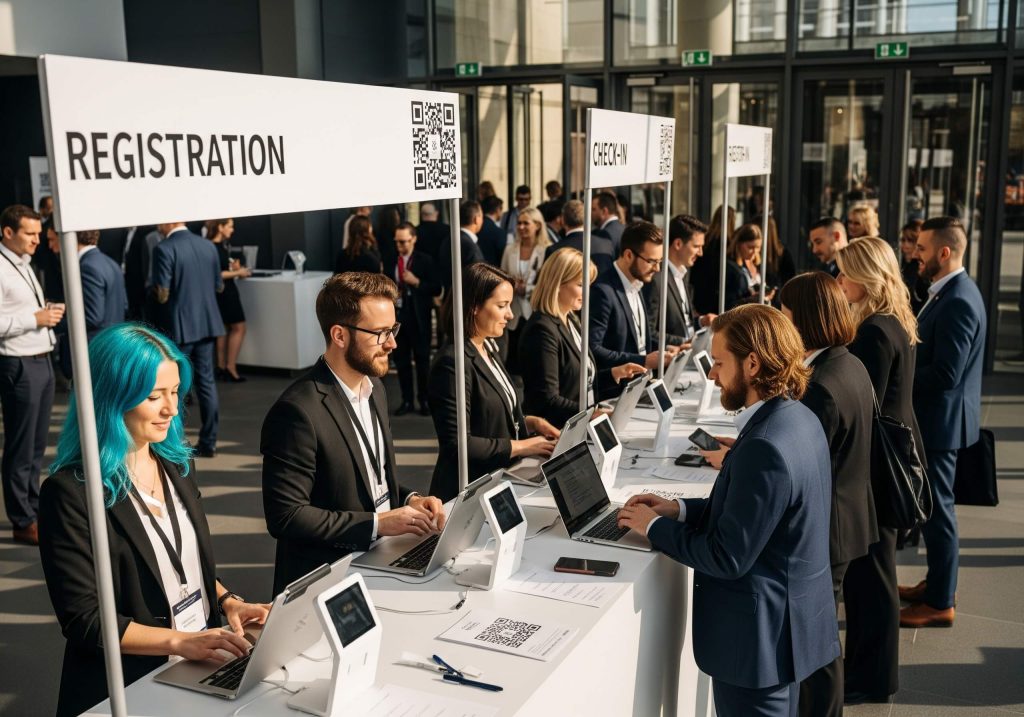
This stage often gets underestimated, but it’s absolutely crucial. A smooth registration and check-in process sets the tone for the whole event.
What this stage is about:
You need to ensure that guests can register easily and check in quickly, whether in person or online.
You’ll want to offer:
- Easy online registration platform
- Automated confirmation messages
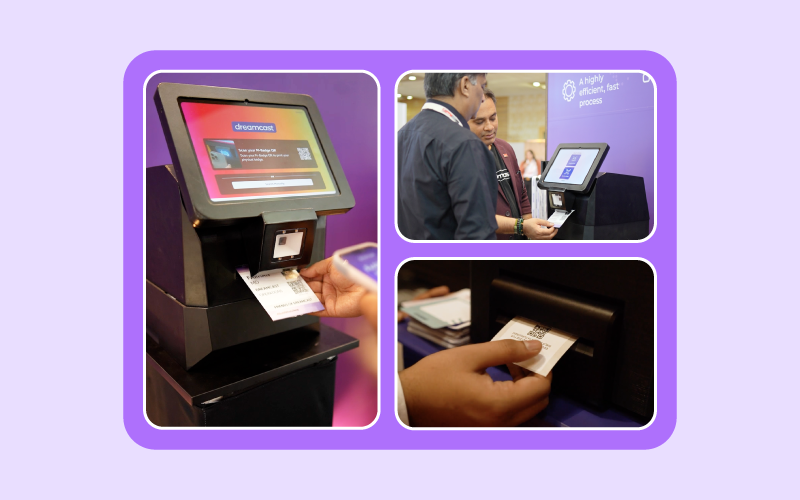
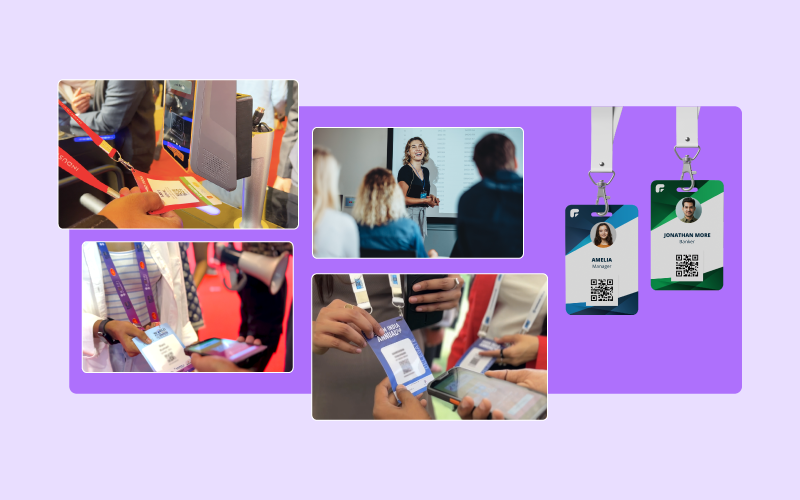
- Badge printing (if in-person)
- QR scanning or face recognition for quick check-ins
- Real-time attendee tracking
Key questions to ask:
- Is the registration process user-friendly?
- How can we minimize wait times at check-in?
- Are we collecting the right attendee data?
Pro tip:
Offer different ticket types, discount codes, and group registration options to make your event accessible and scalable.
Stage 8: Execute the Event
This is the showtime. All your event planning process comes to life at this stage.
What this stage is about:
Your job here is to make sure everything runs smoothly. Whether it’s a 2-hour webinar or a 3-day expo, you’ll need to keep your cool and be ready for last-minute changes.
Key responsibilities:
- Coordinating staff and volunteers
- Sticking to the event schedule
- Supporting speakers or performers
- Managing audience engagement
- Troubleshooting any issues live
Key questions to ask:
- Who’s handling real-time issues?
- Are all vendors, staff, and tech systems ready?
There are several ways you can enhance the virtual experience. You can have:
- Real-time chat and polling
- Live Q&A sessions
- Networking lounges and matchmaking
- Gamified engagement features
- Live tech support
Stage 9: Follow-Up and Evaluate
The event might be over, but your event planning stages aren’t. What happens after the event is just as important as what happened during it.
Send thank-you messages to attendees, sponsors, and speakers. Share event highlights, photos, or recordings. And most importantly, ask for feedback.
What did your attendees enjoy? What could be better next time? Take notes, gather data, and use everything you learn to improve future events.
And of course, measure your results. Did you hit your goals? Was it worth the investment? These answers will shape your strategy going forward.
Wrapping Up
Events don’t come together by magic. They come together through structure, planning, and teamwork. These 9 event planning stages provide the framework to guide you from idea to execution, with less stress and more confidence.
Each stage plays a crucial role. When done right, they all work together to create a powerful, professional, and memorable event.
So take it one step at a time. Build a team you trust. Use tools that make your job easier. And above all, keep your attendees at the heart of every decision.
Because in the end, it’s not just about running a great event, it’s about creating an experience people will remember.