


If you’ve ever planned an event, whether it’s a conference, a trade show, a festival, or even a small community gathering, you know one truth: you can plan the most spectacular event in the world, but if no one shows up, it doesn’t matter. That’s where event advertising and marketing come in. It’s not just about getting the word out, it’s about getting the right people excited enough to show up.
Today, we’ll go through the proven event advertising strategies for success and boost event attendance.
Why Event Advertising & Marketing Matters
Think about the last event you attended. How did you hear about it? Was it through Instagram ads? A friend’s post on LinkedIn? Maybe a podcast mention? In today’s crowded digital world, people are constantly bombarded with information. If you don’t market your event well, it simply gets lost in the noise.
When done well, event advertising:
- Boost Brand Awareness: People discover who you are and what you stand for.
- Make People Register More: Well-targeted ads can result in making more people register for the event.
- Builds Excitement: Making attendees feel excited is crucial. Good advertising can do that with the fear of missing out.
- Gain Partners and Sponsors: With strong event marketing, the event looks more professional and appealing to potential partners.
Without event advertising, even the best-planned event can fall flat.
Best Event Marketing Strategies For Event Success
Here are some of the best strategies for event marketing and promotion.

Craft Audience-Centered Messaging
Understanding the audience is at the heart when it comes to making an effective event advertising strategy. Not everyone who might like events. Be specific.
Are you targeting tech professionals in their 30s? College students looking for networking opportunities? Parents who want a fun weekend activity for their kids? The more you know, the easier it is to craft a message that resonates.
Advertising that speaks directly to an audience’s desires resonates far more strongly. So, it’s best to create audience personas. When you write an ad or email, imagine you’re writing directly to that person.
Crafting a Strong Event Value Proposition
This is where most event organizers drop the ball. “Join us for a fun evening!” isn’t enough. Your event needs a hook. What makes it worth attending?
Maybe it’s a celebrity keynote speaker. Maybe it’s exclusive access to industry insights. Maybe it’s free food trucks and live music. Whatever it is, put it front and center.
Think of your value proposition as the headline on a movie poster. It should instantly make people think, “I need to be there.”
Leverage Content Marketing
Content marketing is one of the most powerful event promotion strategies. Content helps build trust and keeps the audience engaged over time.
- Blog posts: Write articles that connect to your event theme. If you’re hosting a startup summit, post about trends in entrepreneurship, tips for pitching investors, or interviews with successful founders.
- Video teasers: Create short clips of your planning process, interviews with speakers, or venue walkthroughs.
- Podcasts: Create a mini-series leading up to the event and convert it to a podcast that the audience could enjoy listening to. Share stories, insights, and event updates.
The key here is consistency. The more valuable content you put out, the more people will trust you and feel connected to your event.
Social Media Marketing: Go Where Your Audience Hangs Out
If your audience is young, you might focus on TikTok or Instagram Reels. If they’re professionals, LinkedIn might be your best friend. Social media is where the buzz really happens.
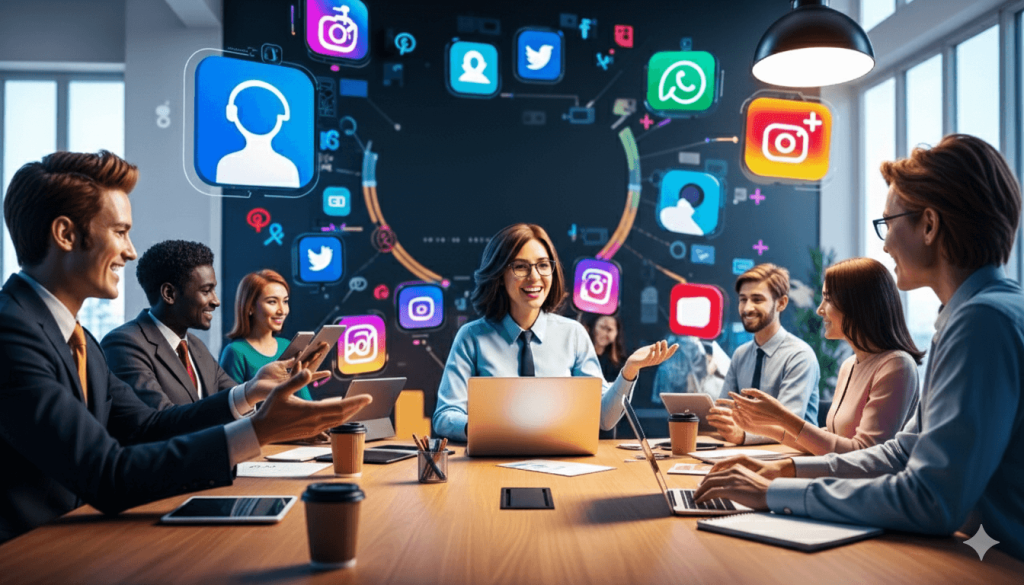
Here’s how to make it work:
- Create a hashtag – Something unique, catchy, and easy to spell. Encourage attendees to use it.
- Run contests & giveaways – Offer free tickets, merch, or VIP upgrades to those who engage with your posts.
- Go live – Instagram or LinkedIn Live Q&A sessions with speakers build excitement.
- Collaborate with influencers – Find micro-influencers who genuinely care about your event’s theme and have them spread the word.
Create an Email Marketing Campaign
Email might sound old-school. However, it is one of the highest converting strategies for event promotion. Here’s why people who give you their email are already interested in what you’re doing.
Your email strategy should include:
- Save-the-dates – Send early reminders so people block their calendars.
- Countdown series – Weekly or bi-weekly emails leading up to the event with exciting updates.
- Exclusive offers – Early-bird pricing, VIP packages, or limited-time discounts.
Run Paid Event Advertising to Maximize ROI
Paid ads can be a game-changer if you do them right. The good news is you don’t need a massive budget to make an impact.
- Social Media Ads – Facebook, Instagram, and LinkedIn let you target your exact audience by age, interests, and even job title.
- Google Ads – Perfect for capturing people actively searching for events like yours.
Pro Tip: Start small, test different creatives and headlines, and scale up the ads that perform best.
Retargeting and Nurturing
One of the most powerful strategies is retargeting. Retargeting is about aligning your event marketing to people who interacted with your event page but haven’t registered.
These event marketing campaigns often feature stronger calls-to-action, limited-time offers, or additional details that help convert interest into commitment.
Retargeting works hand-in-hand with nurturing. Through email campaigns, chatbots, and personalized reminders, you can keep your audience warm and excited as the event approaches.
Partnerships & Collaborations: Tap Into Existing Communities
One of the most underrated strategies is partnering with others who already have your audience’s attention. Collaborating with industry associations, local businesses, or media outlets can extend your reach. These partners act as trusted voices, helping position your event as something their audiences should care about.
Think about:
- Industry associations: They might promote your event to their members.
- Media outlets: Local radio stations, blogs, or newspapers may feature your event.
- Sponsors: They often share event promotions with their own followers.
This not only increases your reach but also builds credibility. When a trusted partner recommends your event, it carries weight.
Creating Fear of Missing Out (FOMO)
Fear of missing out can drive people to take action. Smart event advertisers and marketers use this to their advantage by:
- Offering early bird discounts for a limited time.
- Highlighting limited seating or exclusive experiences.
- Sharing testimonials and photos from past events to show what attendees would miss.
FOMO-driven event advertising can push those on the fence to commit quickly.
High-Impact Visuals and Video
Modern marketing is all about storytelling. Adding visuals and video to your advertising is a great way to create an impactful story.
As a matter of fact, quality images and video clips tend to get more attention than text alone. In 2025, short-form videos are more effective formats when promoting events.
Create visuals that don’t just inform but inspire. Let potential attendees see themselves in the experience by smiling faces, engaging sessions, and high-energy moments.
Experiential Marketing: Make People Talk
People love experiences they can share. So, make your marketing experiential.
- Set up interactive installations or photo booths at pre-event meetups.
- Send creative invitations that make people want to post about them.
- Host a small preview event, like a live-streamed tour.
When people share these moments on social media, they’re doing free marketing for your event.
Analytics: Measure What Works
All the marketing in the world doesn’t matter if you can’t track what’s working. Review what worked and what didn’t by diving into analytics. You can measure:
- Which ads are driving registrations
- Which emails get the most opens and clicks
- Which social posts are most shared
Then, adjust your strategies according to the insights you’ve learned. Stop wasting money on what’s not working and pour more into what is.
Post-Event Marketing: Keep the Momentum Going
Marketing doesn’t stop with the end of the event. Share highlights, thank attendees, and tease your next event.
- Post recap videos and photo albums.
- Share attendee testimonials.
- Offer early registration for the next event at a discount.
This keeps your audience warm and excited for the future.
Wrapping Up
Event advertising and marketing is the essence of your event’s success. The best campaigns feel authentic, connect with the right audience, and create a sense of urgency and excitement.
The key is to mix strategies that focus on content marketing, social media, email, paid ads, partnerships, and stay consistent. Think of your event like a story you’re telling over time. Every post, ad, and email is a new chapter that keeps people hooked.
So, next time you plan an event, don’t just focus on the logistics. Focus on the narrative you’re building and the buzz you’re creating.