
In-Person Event

What You Should Know About Corporate Events: A Simple Guide

When you hear the term corporate event, what comes to mind? A room full of people in suits with coffee? A massive annual conference with giant stages and keynote speakers? Or maybe just a casual team outing to the bowling alley?

The truth is, all of these can be corporate events. At its core, a corporate event is any gathering organized by a business or company for employees, clients, partners, or the public, with a purpose behind it. That purpose could be education, networking, celebration, marketing, or simply team bonding.

If you’re new to the world of corporate events and want to understand what they are, why they matter, and how they work, this guide is for you. 

What Exactly is a Corporate Event?

A corporate event is any organized activity that a business hosts, either internally for its employees or externally for clients, customers, partners, or the community.

Corporate Events

Think of it as a tool. Companies can use corporate events for several purposes and goals, such as:

  • Building stronger relationships with employees and clients
  • Showcasing products and services
  • Sharing knowledge and ideas
  • Celebrating milestone
  • Enhancing brand image

Corporate events can be hosted on different scales. The type and scale of the event can be a strategy meeting with 10 people or a trade show with thousands of attendees.

Why Do Companies Host Corporate Events?

You might be wondering, “What is the importance of corporate events?” Well, events offer more than just communication. The events build human connection, bring experiences, and leave an impact.

Here are some common reasons businesses host corporate events:

1. Educating and Sharing Insights With Attendees 

Corporate events like training sessions, seminars, or product demos come with the purpose of sharing knowledge. For example, a tech company might host a workshop to teach clients how to use their new software.

2. Motivating and Inspiring People

A few internal events, like sales kickoffs or annual meetings, can be designed to help boost morale, inspire employees, and ensure company goals are aligned with people. When people feel inspired, they can feel motivated to contribute to the mission.  

3. To Market and Sell

Putting products and services in front of people matters a lot. Thans to the events like trade shows, product launches, and customer events for providing such an opportunity. Think of them as live, interactive marketing campaigns.

4. To Celebrate and Reward

Milestone anniversaries, award ceremonies, and holiday parties give companies a chance to recognize achievements, reward employees, and strengthen company culture.

5. Networking and Connecting

Corporate events come with opportunities for employees, clients, and industry peers to meet, collaborate, and build relationships that other forms of communication can’t match. 

Event Networking

Types of Corporate Events

Corporate events come in many shapes and sizes. Let’s walk through the most common ones so you can get a feel for the landscape:

1. Conferences

Large-scale gatherings where industry professionals meet to learn, share ideas, and network. They usually include keynote speeches, panel discussions, and breakout sessions.

2. Seminars and Workshops

Smaller, more focused events where attendees learn about a specific topic. For example, a marketing seminar might teach strategies for social media advertising.

3. Trade Shows and Expos

Events where companies showcase products and services to potential clients, partners, and industry peers. They’re usually held in large venues and attract thousands of people.

4. Product Launches

When a company introduces a new product or service, they often throw a launch event to build buzz and attract media attention.

5. Team-Building Events

These are designed to improve collaboration, trust, and morale among employees. Think escape rooms, outdoor adventures, or even simple team lunches.

6. Company Meetings

From annual general meetings (AGMs) to quarterly business reviews, these events focus on sharing company updates, strategies, and performance with employees or stakeholders.

7. Corporate Parties and Celebrations

Holiday parties, anniversaries, and award nights give employees a chance to unwind and feel appreciated.

Host Next Corporate Event with Dreamcast

Key Elements of a Corporate Event

Every corporate event, whether it’s a small workshop or a massive international conference, has certain building blocks that make it successful. Think of these as the pillars holding everything together. Here’s a closer look:

1. Objective (The Why)

The first and most important element is the purpose. Why is this event happening? Without a clear objective, even the fanciest event can feel pointless.

  • If the goal is education, the event might include training sessions or seminars.
  • If the goal is celebration, you might plan a gala dinner or anniversary party.
  • If the goal is sales, the event could be a product launch or trade show.

2. Audience (The Who)

The people attending will shape everything, from the venue choice to the agenda style.

  • Employees: They might prefer something more interactive and fun, like team-building activities.
  • Clients or Partners: They expect professionalism, networking opportunities, and polished presentations.
  • General Public: If it’s open to customers or community members, you’ll need a balance of information and engagement.

3. Venue (The Where)

The setting can make or break the event experience. A cramped room or noisy environment will leave a negative impression, no matter how good the content is.

  • In-person events: Hotels, convention centers, restaurants, or even outdoor spaces.
  • Virtual events: Virtual platforms can help host these virtual events.
  • Hybrid events: A physical location paired with a strong digital platform for remote attendees.

4. Agenda (The What)

This is the roadmap for the event, the sequence of activities that will happen from start to finish.

  • Conferences often include keynote speeches, breakout sessions, networking breaks, and a closing ceremony.
  • Internal meetings may have presentations, discussions, and team-building exercises.
  • Social events like company parties will have entertainment, awards, and food.

5. Technology (The How)

Technology is no longer just a “nice-to-have”. It’s often the backbone of a corporate event.

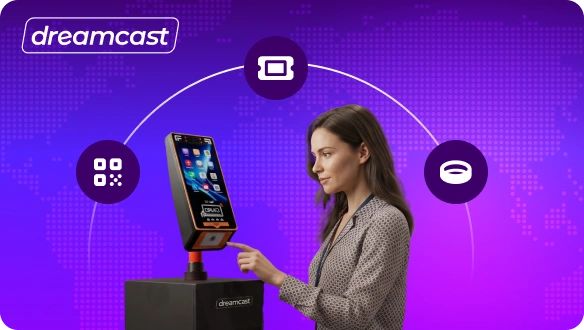
Event Registration & Check-in
  • Registration and check-in apps simplify entry.
  • Event apps allow attendees to view schedules, connect with others, and participate in live polls.
  • AV equipment (sound systems, projectors, LED screens) ensures everyone can see and hear clearly.
  • Live streaming tools bring virtual or hybrid events to life.

6. Logistics (The Details)

Logistics are the nuts and bolts of any event. It is a part of planning that ensures everything runs smoothly. 

7. Experience (The Feel)

This is the emotional takeaway for attendees. It’s not just about what they hear or see, it’s how they feel during and after the event. A formal investor meeting might be sleek, minimal, and professional. A team-building retreat might be casual, fun, and adventurous.

Corporate Events: In-Person, Virtual, or Hybrid?

Thanks to technology, corporate events now come in three main formats:

In-Person

The classic format is in-person. It is when people gather physically in one location. Best for networking, team-building, and creating memorable experiences.

Virtual

Hosted entirely online using virtual event platforms. They’re cost-effective and more accessible, but can lack the energy of face-to-face interaction.

Hybrid

A mix of both. Some people attend in person, while others join virtually. This has become popular because it combines reach with engagement.

Benefits of Corporate Events

Still not convinced why corporate events matter? Let’s look at the perks:

  • Brand Building: Events put your company in the spotlight and strengthen its reputation.
  • Employee Engagement: Employees feel more connected and motivated when they’re part of company gatherings.
  • Stronger Relationships: Clients and partners appreciate face-to-face time.
  • Knowledge Sharing: Events are great platforms for spreading new ideas and strategies.
  • Sales and Leads: Trade shows and product launches can generate massive business opportunities.

Tips for Planning Your First Corporate Event

If you’re tasked with planning one, don’t panic. Here are some beginner-friendly tips:

Start with the Purpose: Why are you hosting this event? Understanding the purpose of corporate events is important. Every detail should connect back to the main goal.

Know Your Audience: Tailor the content, venue, and style to who’s attending.

Set a Realistic Budget: Plan for must-haves first, then add nice-to-haves.

Pick the Right Venue or Platform: Make sure it fits the size, style, and technical needs of the event.

Plan the Agenda Carefully: Mix learning, networking, and fun to keep people engaged.

Leverage Technology: Use event apps for registration, check-in systems, or networking.

Promote the Event: Send reminders, share on social media, and keep the excitement alive.

Prepare for the Unexpected: Always have a backup plan for speakers, tech, or weather.

Engage Attendees: Interactive sessions, Q&As, or gamification can keep energy levels high.

Follow Up After: Send thank-you notes, share highlights, and ask for feedback.

Wrapping It Up

So, a corporate event is a purposeful gathering hosted by a company to achieve specific goals. 

They can be small or massive, formal or fun, in-person or virtual. And while they take effort to plan, the impact they create for businesses, employees, clients, and communities makes them invaluable.

If you’re a beginner stepping into the world of corporate events, focus on purpose, know your audience, and don’t underestimate the power of creating memorable experiences. Because at the end of the day, corporate events aren’t just about schedules and presentations, they’re about people coming together, and that’s what makes them powerful.

Raghav Ojha

A versatile content writer with a knack for writing on diverse tech niche and always striving to evolve in the digital age.

Read All Articles

Leave a Reply

Your email address will not be published. Required fields are marked *

Join Live Demo