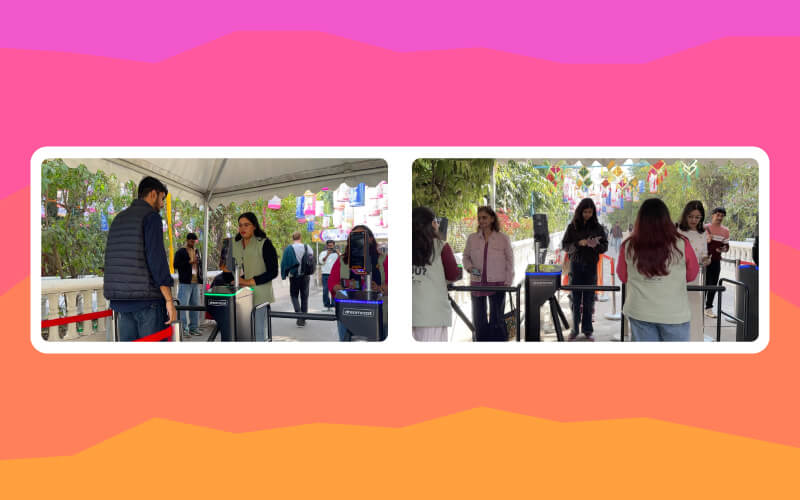


Attendees come to events excited. They want to enter the event quickly and smoothly and attend their favourite sessions. At the same time, they know they’ll have to spare a few minutes at check-in. Till here, all’s good. But what if the check-in itself takes several minutes! Getting stuck in event check-in bottlenecks is certainly not what attendees look forward to. People start worrying about missing out. They might think the whole event will be a mess. And nobody wants to feel that way.
So, if you’re running the show, you need some good ways to keep your event check-in process smooth. This makes for happier attendees right from the start. It also maintains your event’s reputation. In this blog, let’s discuss how you can avoid event entry delays.
Table of Contents
Common Occurrences During Event Check-In Bottlenecks
Event check-in bottlenecks slow down event entry, but how? Here are some common occurrences that will give you a clear picture of how frustrating this jam can be:
A. Not Enough Staff
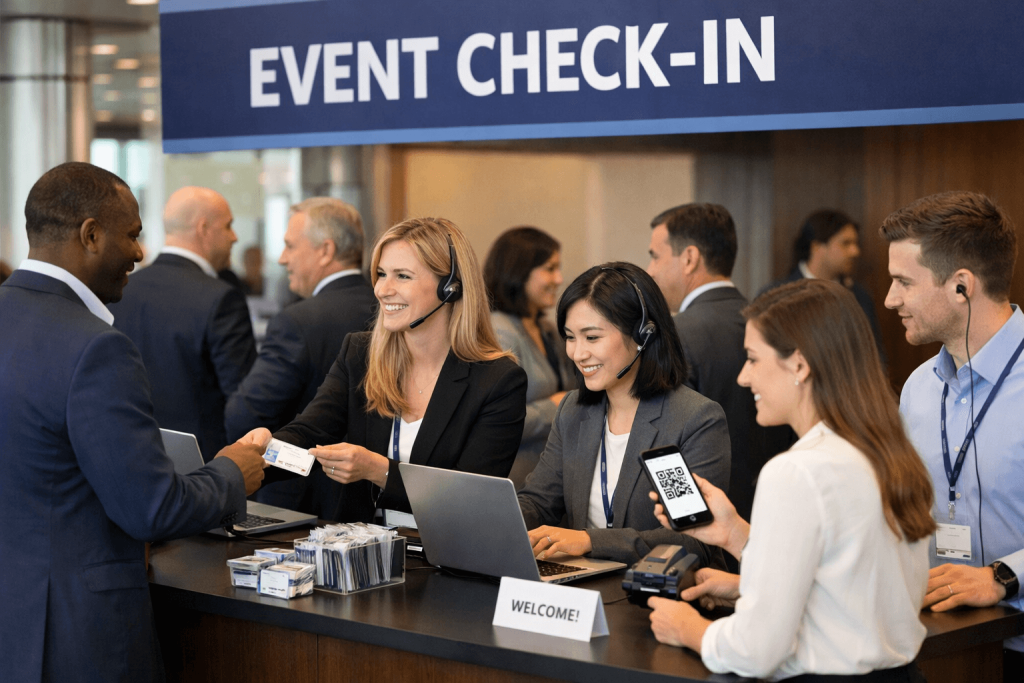
Imagine a giant crowd of people all trying to get through one entry. Now, imagine there are only two workers there to manage the event check-in process. It just doesn’t work! When planners don’t have enough staff, the line grows really fast. Sometimes, the helpers are there, but they don’t know how to use their tools. If they are fumbling around and confused, everyone else has to wait even longer. It’s hard to stay happy when you’re just watching people struggle at the front.
B. Using Old Paper Lists
Some events are still stuck in the past. They use long, boring paper lists to find your name. The volunteer has to look through page after page, squinting at tiny letters just to find one person. This might be okay for a small birthday party, but for a big event, it’s a disaster.
C. Locked Doors and Late Starts
Event entry delays lead to everything else in the event getting delayed, too. Every minute the gates stay shut, the crowd gets bigger and more impatient. People start to worry that they will miss the best parts of the day. This makes everyone feel stressed out before the fun even begins.
D. No Signs to Show the Way
Even after you finally get inside, the trouble might not be over. If there aren’t any signs telling you where to go, you’ll just end up walking in circles. This confusion adds to the frustration caused by event check-in delays. It’s annoying to be inside but still feel lost. Popshap observes that 90% of attendees believe signage is extremely important for events.
How to Make the Event Check-In Process Faster: Top 11 Ways
You need a solid plan that covers all stages of the event: pre-event, during the event, and post-event, to make the event check-in process smoother. You might be wondering what the other two stages, apart from pre-event, have to do with event check-in bottlenecks! This section will help you understand that.
Pre-Event Plan For Faster Event Check-In
Event planners often take this part for granted. They just focus on designing an attractive registration portal and leaving the rest to the event day itself. This is a big NO. On the contrary, the more advanced your registration and ticketing are, the more the attendees expect from your event’s on-ground arrangements! Therefore, pre-event planning of your event check-in is non-negotiable. How to do that? Let’s understand:
1. Create a Clear Check-In Blueprint
Where will people come in? Where do they get their badges? Where’s security? Write all this down. Now think about the crowd size. You need a good number of check-in stations if it’s huge. Ensure that people move in a single, clear direction. No backtracking or crossing paths. That’s when things get messy. Smart event check-in management starts with a layout that makes sense.
2. Use Data and Numbers Wisely
Look at your registration numbers from past events. Compare them with the number of people who signed up this time. This tells you how many check-in desks and staff members you actually need. If you’re letting people register on the spot, prepare for chaos.
Walk-ins are unpredictable. They need more help than people who registered early. So add extra stations and more staff for them. Think about your timeline, too. A short check-in window means you need more desks running at once. Timing matters a lot.
When check-in happens during your opening session, everyone rushes in together. That’s how event entry delays start. Schedule it the day before instead. People trickle in slowly. Lines stay short. You get faster event check-in without the stress.
3. Adopt Advanced Registration Solutions
Attendees will arrive prepared if you partner with an event technology company like Dreamcast, which offers end-to-end registration solutions. Your attendees will receive a QR code or any other e-ticket as soon as they finish signing up for the event. No printing. No last-minute forms.
They just show their code at check-in and get an easy entry. Lines disappear when people aren’t filling out details at the entrance. You also get a clear headcount before the event starts. You know exactly how many guests to expect.
4. Choose a Good Event Tech Provider
There are many ways to make your event check-in process faster. But, instead of trying to find every solution on your own, it is much easier to work with a pro event tech provider like Dreamcast, which has a whole range of advanced check-in solutions.
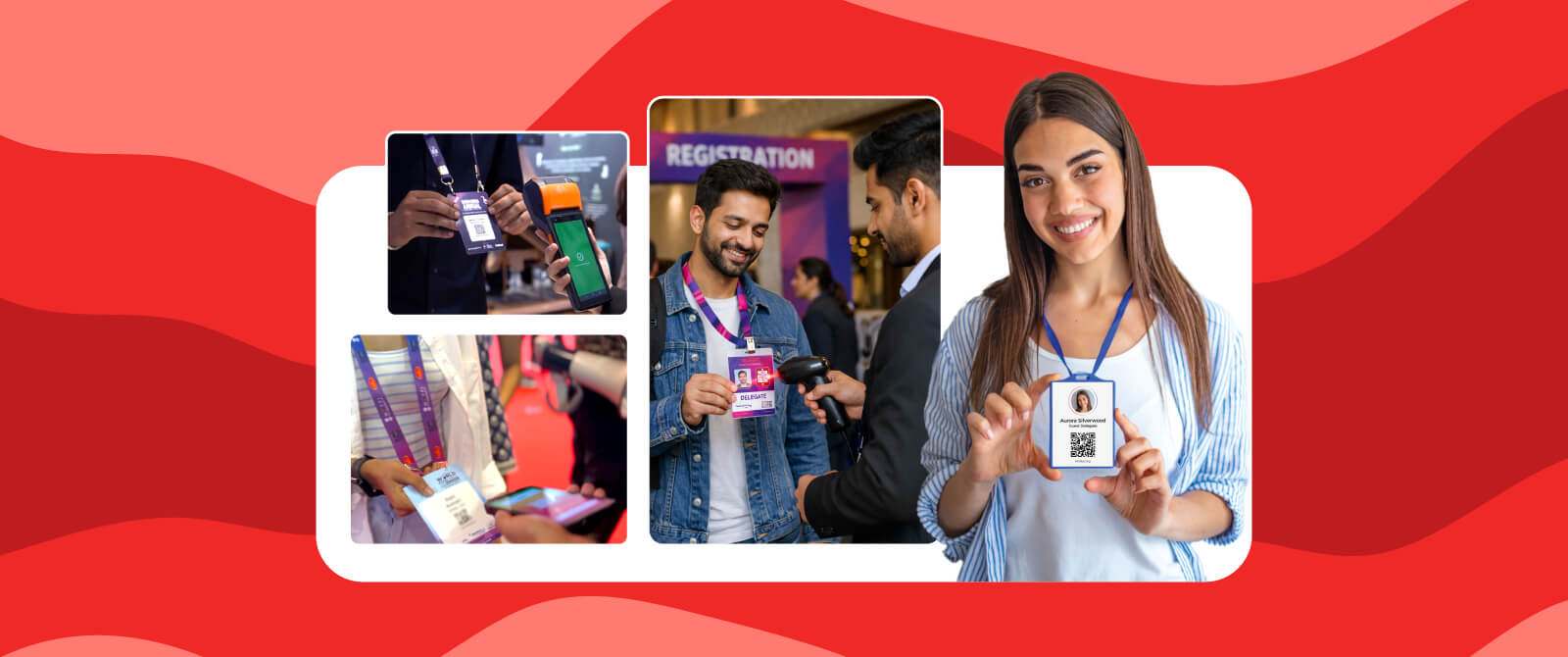
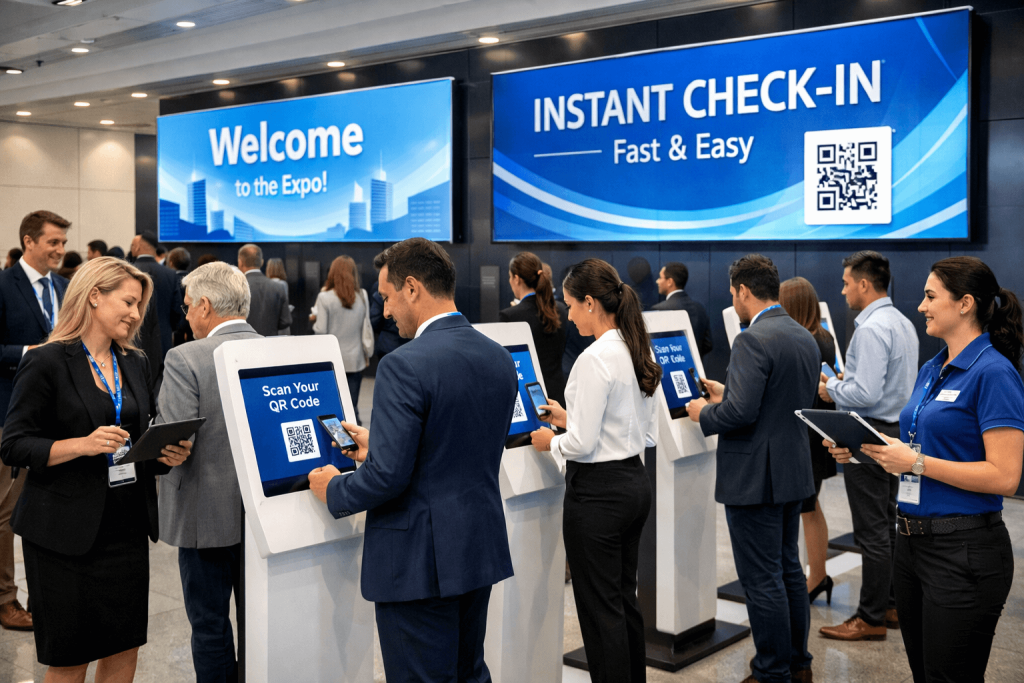
You can use things like facial recognition (where your face is your ticket!) or QR codes that you scan with a phone. Then, there are self-check-in kiosks that cut down on your staffing costs significantly! Dreamcast’s turnstiles are another option that lets people through one by one in a chaos-free manner.
5. Help Your Attendees Before the Event
People arrive in different states of readiness. Some have their QR code pulled up and ready. Others are still searching through emails when they reach the venue. This slows everything down. Send a clear email before the event. Tell them exactly how they should approach the check-in. If possible, include a tiny sketch of the venue that clearly shows the check-in counter.
Things to do During the Event to Avoid Event Check-In Bottlenecks
With a solid plan backing you, half your work is done. Still, the other half, i.e., execution, is left. So, follow your plan, but also remember a few of these tips to make it work even better:
6. Separate Lines for Separate Attendee Segments
Set up separate lines for VIPs, sponsors, speakers, and people with disabilities if your venue allows it. Make these lanes truly accessible. Add ramps where needed. Appoint trained staff who know how to help. Keep the paperwork simple and quick. This isn’t just about speed. It shows you care about making everyone feel welcome and respected. When guests see you’ve thought about their specific needs, they notice. Your event feels more professional and thoughtful from the very first interaction.
7. Don’t Underestimate the Use of Proper Signage
Clear signs keep people moving. Without them, guests stop and look confused. They pick the wrong line. Everyone behind them waits longer. Put big signs at your entrance and around the waiting area. Keep the labels simple: “Already Registered,” “Registering Today,” “Speakers,” “General Entry,” or “Fast Lane.” Add arrows on the floor to show where to walk. When people see where they belong right away, nobody stands around wondering. The crowd keeps flowing. Lines move steadily instead of stopping every few seconds.
8. Appoint Well-Trained Staff
Train your team well before the event starts. They need to know how the technology works. They should understand how to manage crowds when things get busy. And they must stay calm and helpful no matter what happens. A prepared team handles surprises without panicking. When something goes wrong, they fix it quickly. Guests feel taken care of instead of ignored. Your staff becomes the difference between a smooth entrance and a chaotic one. Good training turns problems into minor bumps instead of major disasters. Hospitalitynet backs this up by noting that investing in staff training can give 10%-40% ROI.
9. Ensure that the Lines are Constantly Moving
The best way to avoid event check-in bottlenecks is to keep lines moving. Have plenty of scanners. Make sure you have enough staff handling them. Keep backup options ready if something falters. Don’t let guests just stand there waiting.
Steps to Take After The Event for a Better Event Check-In Process in the Future
After your event ends, review your event check-in process. Find out what worked and what didn’t. Learn from the slow parts so you can fix them next time.
10. Track and Review Check-In Time and Speed
Note the peak check-in times and how fast the guests were able to check in. Send surveys after the event, asking guests about their entry experience. Did they feel rushed? Did they wait too long? This information tells you the real story. Use it to spot problems you missed and fix them before your next event. To get hold of such valuable data, you need check-in solutions like Dreamcast’s solutions that come with smart data analytics features.
11. Learn and Apply
Each event teaches you something new about event check-in management. Use what you learned to improve next time. Add more staff during rush hours. Invest in technology that worked well, like kiosks or RFID tags. Fix confusing signs or messy line setups.
Listen to what guests said in surveys.
The Bottom Line:
The last thing event check-in bottlenecks are is random. They don’t happen except in cases where the planning is poor, or there’s only on-spot registration available, and predicting the footfall is impossible. In other words, this means that bottlenecks can be avoided, and this blog covered some of the top ways to do so. Pre-event planning is key. If you sketch your crowd management plan in detail, nothing like it. Plan well before your event. Execute smoothly during it. Get feedback after. Choose an event tech provider with full check-in solutions to make it all easier.
FAQs
A few main reasons. Not enough staff at the desks. Old, slow check-in systems. Bad venue choice. Poor planning overall.
Mapping out the details gives you clarity. You spot problems before they happen. Putting ideas on paper helps you see what might go wrong and fix it early.
For a smooth event check-in process, use QR codes, facial recognition, turnstiles, or RFID wristbands. They all work fast.
Work with an event tech provider like Dreamcast. Their check-in tools have analytics built in. They track everything automatically.