
Planning a game or sports event is as challenging as it is exciting, no matter whether the event is a football tournament, a marathon, or a sports league. From sorting schedules to managing registrations, tracking results, and handling payments, the list seems endless.
That’s where a game management system (GMS) comes to the rescue. It has come across as an all-in-one, digital co-organizer that takes care of event organization while you focus on making the event fun and memorable.
Let’s explore what a GMS is, why you need one, and how it can help you run sports events without breaking a sweat.
Table of Contents
What Exactly Is a Game Management System?
A GMS is a software solution designed to help event organizers plan, run, and wrap up gaming events with ease. Instead of having five different tools, it covers a range of tools to make sports event management a breeze.
A GMS is a central hub that brings clarity, control, and efficiency to your event-organizing journey. It’s like having a digital event assistant that never forgets a task, never misplaces a player list, and updates everyone in real time.

Why Use a GMS? The Big Benefits
This is where the magic really happens. Using a GMS isn’t just about making your life easier; it also creates a better experience for players, teams, and even spectators. Here’s why it’s worth it:
1. Efficiency & Time Saving
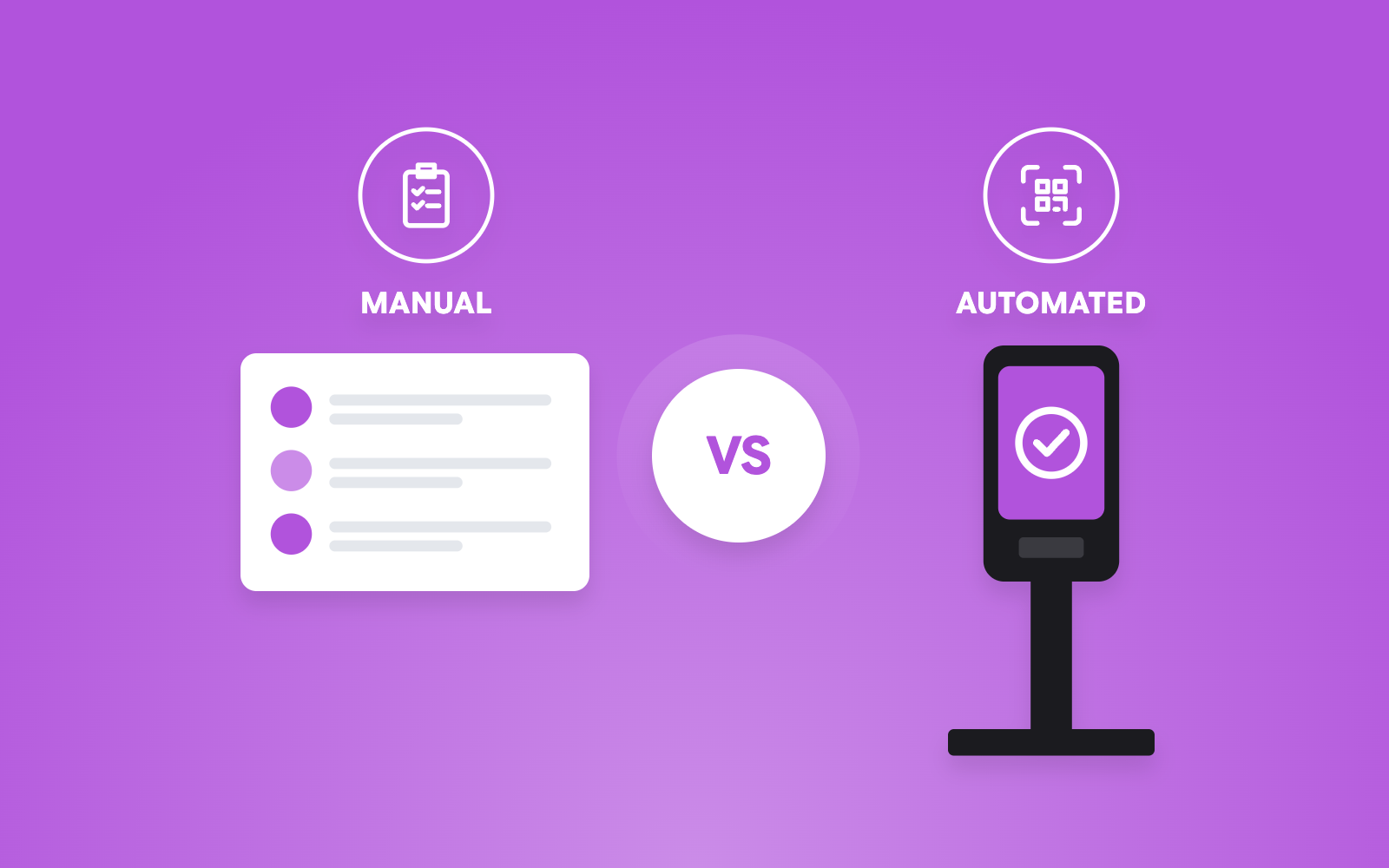
Imagine having a registration platform once and letting the system manage registrations, updates, and confirmations automatically. No need to chase players on social media or manually update spreadsheets. Thanks to the game management system for automating the boring stuff so you can focus on creating a great event experience.
You can also avoid common headaches like last-minute schedule conflicts. The system generates and updates tournament brackets instantly, which keeps your event running on time.
2. Scalability for Any Size Event
A game event management system comes with scalability in mind. That means, event tech scales with every event, no matter if it’s about running a cricket tournament or a multi-sport college fest. For big events, the sports event management system can handle hundreds of players, multiple sports, and simultaneous matches without chaos. For smaller events, it keeps things organized without overcomplicating the process.
3. Better Communication
You know how frustrating it is when the players miss matches because of the reminder about the time changes or any important schedule updates. GMS platforms let you send real-time notifications, emails, or app alerts. Players get updates instantly, so no excuses for no-shows.
You can also communicate with volunteers, referees, and even the audience if needed, making the entire experience smooth for everyone involved.
4. Transparency & Engagement
Nobody likes waiting around to know who won a round or when the next match is. With a game management system, results are updated instantly, and leaderboards get updated in real-time. This transparency builds trust and keeps players engaged.
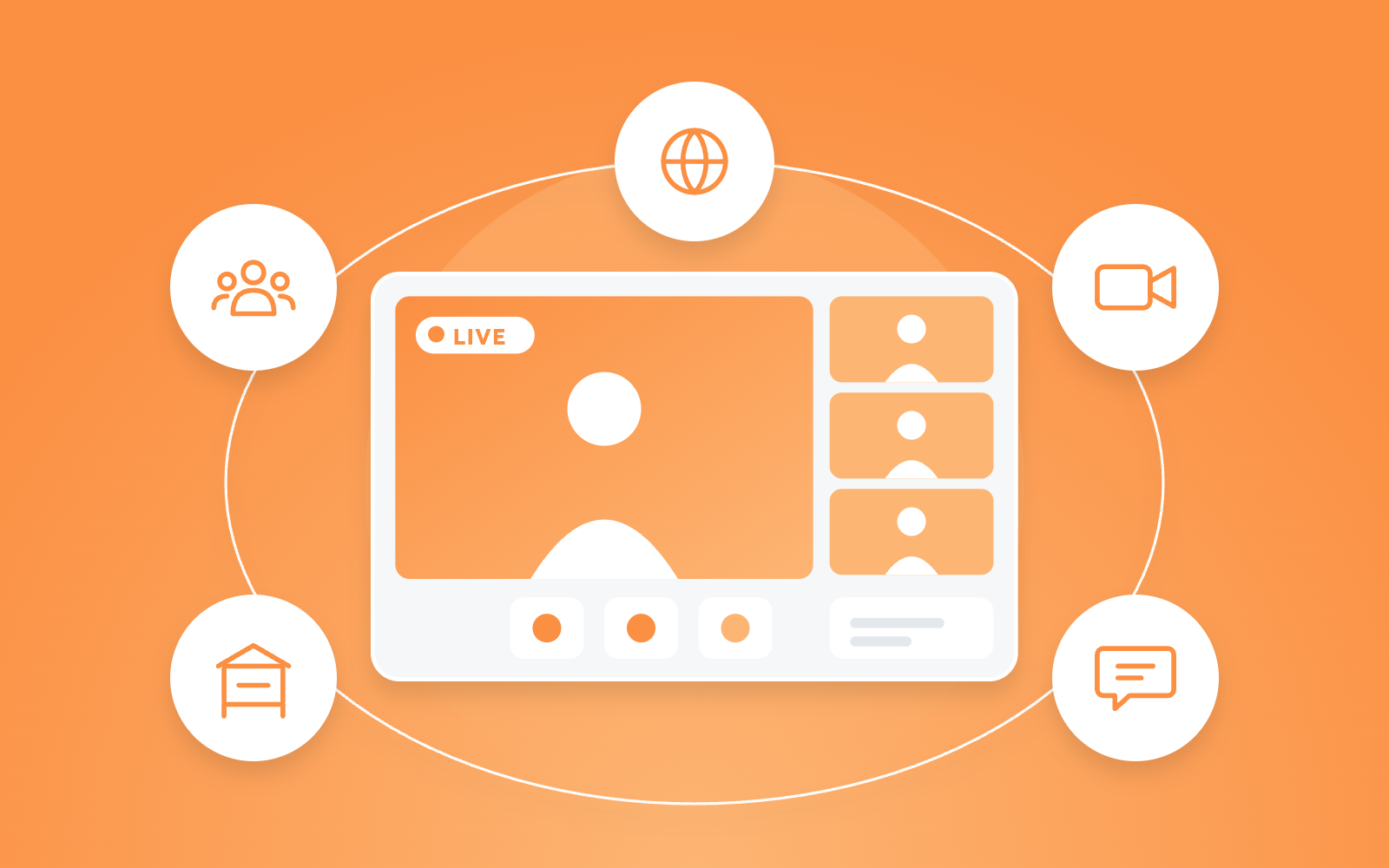
Some systems even let you integrate streaming so fans can follow the action online, making the event more exciting for people who couldn’t attend in person.
5. Actionable Insights for Future Events
After the event, you can analyze what worked and what didn’t. A sports event management system provides data insights into attendance numbers, game popularity, peak engagement times, and even revenue breakdowns. This makes planning your next event easier and more successful.

Key Features of a Game Management System (GMS)
Choosing the right game event management system is crucial. Here’s a deeper dive into the features that can make your event smooth, stress-free, and professional.
1. Registration & Ticketing
Registration is the first interaction of the players and visitors at the event. Making it simple is crucial. A good game event management system offers customizable, branded registration forms. These forms can handle different participant types like players, spectators, VIP guests, and sponsors. Plus, automatic confirmations and digital tickets cut down on confusion and manual work.

2. Scheduling & Bracket Management
Scheduling matches is often the hardest part of organizing the gaming events. A GMS can generate tournament brackets in seconds.
When the players drop out or results come in late, it adjusts accordingly and automatically. Therefore, it saves you from having to redo the entire schedule manually.
3. Participant & Team Management
Player data, team rosters, and contact details are stored centrally. So, organizers can look up information quickly, manage substitutions, or adjust seeding. So, struggling through spreadsheets is eliminated.
The game management systems also allow players to create profiles, upload avatars, and even show previous match history, adding a professional touch.
4. Communication & Notifications
A GMS allows you to send bulk notifications or targeted reminders about match times and other updates. Therefore, last-minute confusion can be minimized while keeping the event running smoothly.
5. Check-In & Accreditation
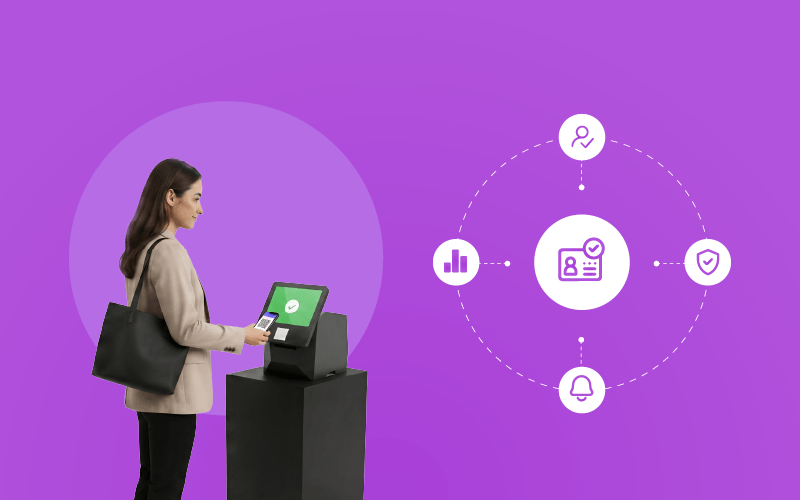
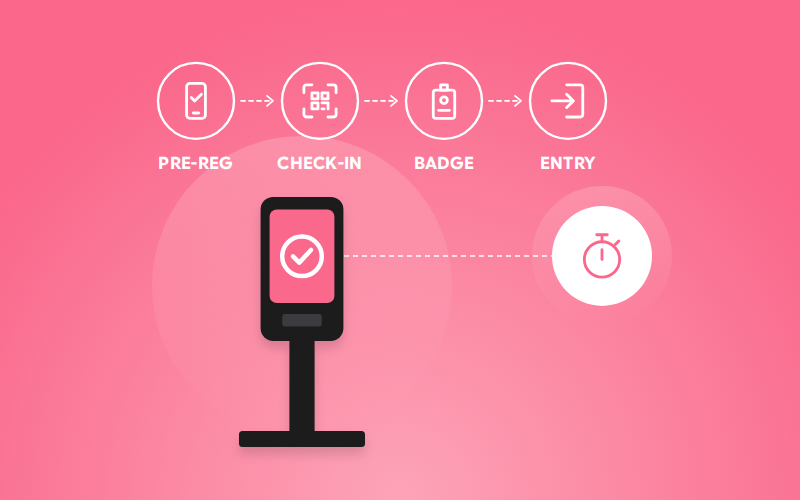
On event day, no one likes long queues. Check-in solutions can help make access faster while ensuring accurate attendance tracking. When the events are large, an event accreditation system can handle badge printing and accreditation levels, managing staff, media, and VIPs easily.
6. Live Leaderboards & Streaming
Real-time leaderboards are a game-changer for engagement. Players and fans can check positions on their screens and mobile devices quickly.
Pair that with live streaming integration, and you turn your event into a spectacle that reaches audiences beyond the venue.
7. Analytics & Reporting
This is where you see the bigger picture. Reports are designed to measure attendance, monitor the most interesting games, and calculate the ROI.
Such insights can convince sponsors, improve scheduling for future events, and grow your community strategically.
8. Customization & Branding
You want your event to have its own personality, not feel like a cookie-cutter tournament. A GMS should let you customize event pages, forms, and even participant communications to match your branding.
9. Maps & Layouts
For big venues, maps showing booth locations, game zones, and stages. Therefore, these maps can help players and attendees find their way quickly. This feature improves the overall experience and cuts down on frustration.
From Setup to Wrap-Up: How a Game Management System Simplifies Your Workflow
Let’s walk through a typical gaming event timeline with a GMS by your side:
- Setup & Planning: Build your event page, customize registration forms, set ticket types, and share the event link on social media.
- Registration & Payments: Watch participants’ registrations, pay, and receive confirmations automatically.
- Scheduling & Brackets: Create game rounds and brackets with a few clicks. The system makes sure everything is balanced and conflict-free.
- Sports Event Access Control: On the day, players check in quickly using QR codes. Staff badges, VIP passes, and audience access are handled effortlessly.
- Communication & Engagement: Send out reminders, announce match results, and share live streaming links to keep everyone engaged.
- Results & Live Updates: Scores are entered and displayed in real time. No waiting around or confusion about who plays next.
- Post-Event Wrap-Up: Generate reports, send thank-you messages, and collect feedback to improve your next event.
Tech Tips for Picking the Right Sports Event Management System
When choosing a platform, here are a few practical things to keep in mind:
- Ease of Use: Look for a system that you can set up quickly, even if you’re not a tech expert.
- Feature Fit: Choose a solution that matches your event size. You don’t need an enterprise-level tool for a 20-player tournament.
- Budget: Consider pricing tiers that make sense for your scale.
- Support: Make sure the provider offers good documentation or live support that’s critical when something goes wrong mid-event.
- Analytics: Look for tools that give you actionable data after the event, not just during it.
Final Thoughts: Focus on the Fun, Not the Management
Gaming events should be about competition, community, and fun, not stress and chaos. A game management system takes the heavy lifting off your plate so you can focus on curating the best possible experience for players and fans.
The result? Happier participants, smoother operations, and a reputation for running professional, exciting events. Whether you’re just starting out or managing large-scale tournaments, the right GMS can transform the way you organize.
So, next time you plan a gaming event, let technology handle the logistics and enjoy the fun right alongside your players.