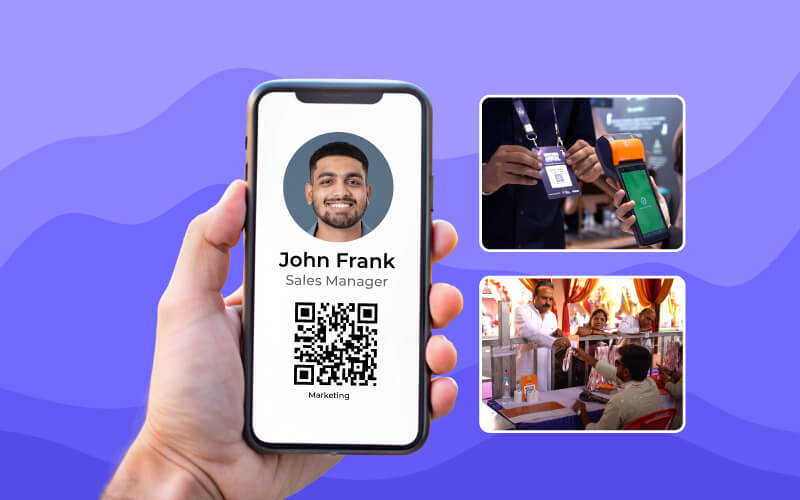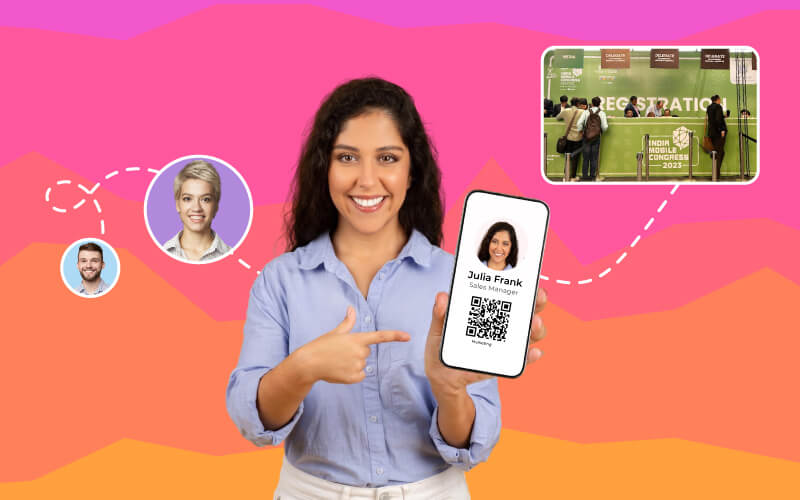



Buying a ticket is the first thing people do once they plan to attend an event. But this step is no longer just a means to an end. It’s that part of an attendee’s event journey that can make or break their impression of your event!
Earlier, when on-site event ticketing was the only option, people went to events mentally prepared. They knew that standing in long lines and being patient was part of the deal. Now, things have changed. With digital event ticketing, people get their tickets with a few clicks. But, there’s so much more to event e-ticketing.
One of the points this blog will illustrate for you is how digital event ticketing has given rise to various competitors in the market. This is why it’s also crucial to know which event ticketing platform to choose for your event. Plus, it’s not like on-site event ticketing has vanished completely. You can still see many events with on-spot event registration and ticketing. So, we’ll try and weigh the pros and cons of both online and on-spot ticketing in this blog.
If you’re curious to know more, keep reading to get helpful insights!
Table of Contents
What Is On-site Event Ticketing?
On-site event ticketing is basically selling tickets at the event itself, not just online. It involves physical tickets. People can buy them when they arrive, paying with cash, cards, or even their phones. It’s great for those who decide to come at the last minute or if the event hasn’t sold out.

The big plus is registering those latecomers and boosting sales. But remember, you’ll need staff to take payments, gadgets like tablets, and a way to get tickets to people fast, either printed or sent digitally.
The Pros And Cons Of On-site Event Ticketing
Even with all the online options, on-site event ticketing is still a popular choice for events, especially movie theaters. It is important to understand why it’s still around. Let’s check out some of its pros.
Pros of on-site event ticketing:
- Technology fails sometimes. Dead phone batteries, spotty WiFi, or app glitches can create chaos at entry gates. A physical ticket always works; no charging needed. It also keeps the possibility of on-spot event registration open.
- You can reach people who struggle with technology or lack internet access.
- There’s something special about holding a real ticket made from quality card stock. It’s a memorable keepsake, too.
- You’re not limited to selling event tickets online. Set up booths anywhere and reach different audiences.
- The back of each ticket is valuable real estate. Sell advertising space there to cover printing costs or even make extra money.
- Premium experiences and special promotions? Highlight them right on the ticket to catch attendees’ attention.
Wifi Talents says over 80% of people would rather have digital tickets instead of paper ones. So, why are paper tickets becoming less popular? Let’s try to understand by going through their cons.
Cons of on-site event ticketing:
Paper and ink waste are bad for the environment. Each paper ticket adds to the problem.
- Paper and ink waste are bad for the environment. Each paper ticket adds to the problem.
- People lose stuff. Ticket holders might lose their tickets before the event even starts, which is a headache.
- Tickets get damaged. A torn barcode or a smudged print can slow things down at the entrance and annoy guests.
- Re-entry can be hard if someone loses their stub. You’ll need other ways to check if they were really there.
- Printing isn’t free or fast. You have to buy materials and wait for them to be printed, which costs money and takes up planning time.
- Keeping track of sales is harder without digital tools. It’s tough to know how many tickets were sold, who bought them, and when.
- Not having digital event ticketing can make your event seem outdated. Since everyone uses smartphones, not having digital options might give people the wrong idea about your brand or organization.
What Is Event E-Ticketing?
Event e-ticketing is the new normal. Forget lining up at the venue to grab your tickets. Now, you can just use your phone or computer to book them way ahead of time. Once you’re done, you’ll get a digital ticket, usually a QR code. Flash that at the entrance, and you’re in! So, to get this done, event planners usually work with event tech companies like Dreamcast, which have some great online ticketing solutions. These solutions help event planners keep tabs on ticket sales and get other important info. Let’s check out what’s good and bad about online event tickets:
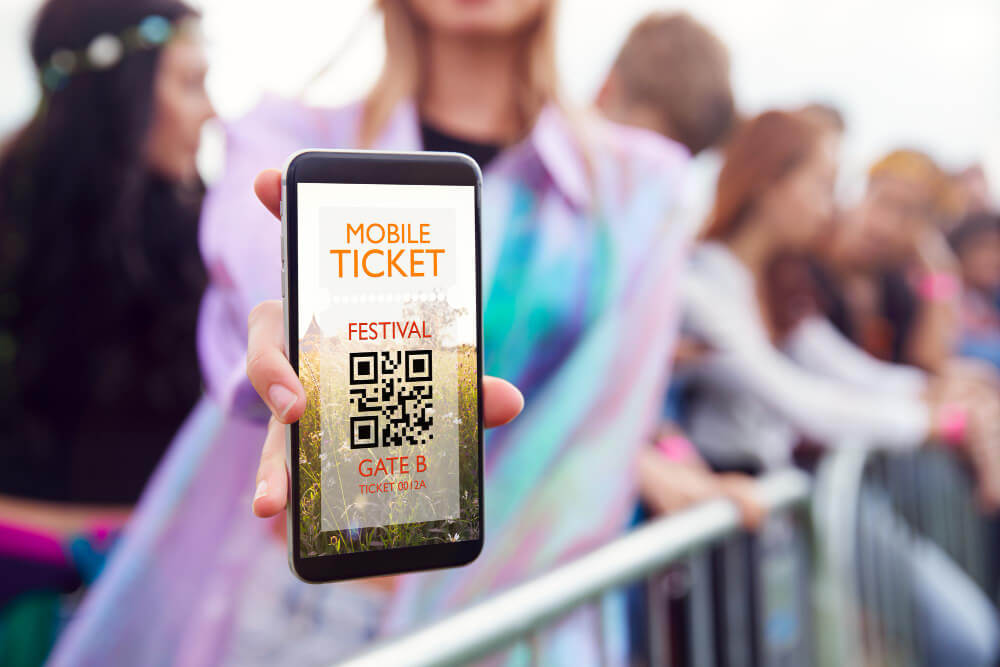
Pros of Event E-Ticketing:
Fewer paper tickets mean less waste. Using digital event ticketing for events helps the environment since you don’t have to print anything.
- Fewer paper tickets mean less waste. Using digital event ticketing for events helps the environment since you don’t have to print anything.
- Buying is fast. People can buy tickets and get them right away, without needing to wait.
- Data is useful. Live dashboards on platforms such as Dreamcast’s event ticketing platform allow you to see sales data, buyer information, and track changes in real-time.
- Digital wallets speed things up. People keep tickets on their phones to get in quickly. This makes event entry management much easier for event organizers.
- No-contact entry keeps things clean. No need to touch anything.
- Lost tickets aren’t a big deal anymore. If someone loses their digital ticket, they can print another one or just show the email when they check in. Done!
- Branding opportunities are endless. Design tickets that match your event’s look and feel perfectly. For example, Dreamcast provides extensive customization options to event planners. They can design their ticketing page as they prefer.
- QR-code event registration systems integrate smoothly with digital ticketing, eliminating the need for separate setups for these two processes.
- Digital ticketing may also come with RSVP management features. Dreamcast offers this feature, which greatly helps event planners to manage attendance, cancellations, and confirmations in real-time!
Cons Of Event E-Ticketing:
Not everyone has the right tech. Some people who might want to come don’t have smartphones, computers, or printers, so they can’t join.
- Not everyone has the right tech. Some people who might want to come don’t have smartphones, computers, or printers, so they can’t join.
- Tech can fail at the worst possible moment. WiFi can crash, apps can freeze, and batteries can die when people need them most.
- Check-in needs a working tech on both ends. Staff need working devices to scan tickets, and that’s a lot of training and handling work! But this is not the case with all digital event ticketing solutions. For example, the ticketing solutions provided by Dreamcast are so simple and quick that you don’t need to spend a lot on training. Simple platform, simple devices.
- You absolutely need a strong internet connection. Slow or spotty WiFi makes entry a mess when tons of people are trying to get in.
- Some people just prefer paper. Some attendees are more comfortable with a physical ticket they can hold, and only having digital options might stop them from coming.
On-site Event Ticketing vs. Digital Event Ticketing: A Comparative Analysis
| FACTOR | ON-SITE TICKETING | DIGITAL EVENT TICKETING |
| Convenience | Must visit the venue physically | Buy from anywhere with the internet |
| Speed | Wait in lines, slower processing | Instant purchase and delivery |
| Accessibility | Works for non-tech users | Requires devices and the internet |
| Environmental Impact | Paper waste, ink usage | Completely paperless, sustainable |
| Cost | Printing and staffing expenses | Lower operational costs |
| Data Tracking | Manual record-keeping, limited insights | Real-time sales analytics and trends |
| Security Features | Numbered stubs, barcodes | Digital verification- QR codes |
| Lost Ticket Recovery | Hard to replace or verify | Easy reprint from email |
| Check-in Process | Physical ticket inspection | Contactless scanning |
| Best Use Cases | Walk-ins, older crowds, backup option | Advance sales, tech-savvy audiences, large events |
Digital Event Ticketing vs On-site Event Ticketing: How To Decide?
According to a Softjourn article, even COVID-19 didn’t impact the event ticketing industry. On the contrary, it’s projected to grow to a whopping to a forecasted $94b by 2026. This shows how important event ticketing is!
Choosing the right ticketing system can make your event feel smooth and calm, or confusing and slow. The best choice depends on how your event is structured and who is attending. Below are some simple pointers to help you decide between digital event ticketing and on-site event ticketing:
1. Think about your audience
If most people are comfortable using phones and emails, digital tickets may feel easy for them. If your guests include older people or children, paper or face-to-face options may feel safer and clearer. But, also keep in mind that all digital ticketing systems are so complex that elderly people or children cannot get the hang of them. You just need to find the right platform!
2. Look at the size of the event
Small events can often handle tickets at the entry without stress. Large events need faster entry. Long lines can upset guests before the event even starts.

3. Check the location and setup
Some venues have good internet and setup capacity. Others do not. If the location is remote or has weak signals, relying only on phones can cause trouble.
4. Consider your team
Do you have staff who can manage sales and checks on the spot? If not, selling tickets before the event can reduce pressure on the day.
5. Think about planning and control
With event e-ticketing, you can track sales early and plan better. You know how many people are coming and can prepare enough seats, food, or materials.
6. Look at the guest experience
On-site event ticketing can feel friendly and personal. Digital tickets feel fast and organized. Choose what matches the feeling you want your event to have.
In the end, there is no single right answer. The best system is the one that makes entry easy, keeps guests relaxed, and helps you run the event without stress.
Event E-Ticketing: How To Choose The Right Platform?
Traditional on-site event ticketing doesn’t come with many choices, but event e-ticketing does. There are multiple platforms to choose from, so you must know how to identify a good one. Here are some simple points to help you choose the right event ticketing platform. These ideas will help you pick a system that works well for your event and your guests.
1. Easy for your guests to use
Pick a platform that makes buying tickets simple and clear. Guests should not get confused when they book or check their ticket on their phone. A good system keeps the process smooth and quick.
2. Works well on phones and computers
Most people use phones to buy tickets. A strong ticketing platform should look good and work fast on both phones and laptops. This helps more people book tickets without problems.

3. Secure and safe payments
You want a platform that protects people’s payment information. Look for systems that use secure payment tools and keep attendee data safe. This builds trust and avoids trouble. For example, Dreamcast’s event ticketing platform has several payment integrations that are super safe and trustworthy.
4. Helps with event check-in
Good digital ticketing platforms let you scan tickets at the event entrance. This saves time and keeps lines short. Features like QR codes and badges make entry faster. Dreamcast’s M-badges and M-tickets are a popular choice among event organizers for easy and efficient check-ins.
5. Shows clear sales and attendee data
Choose an event ticketing platform that provides easy-to-read numbers to track the number of tickets sold and who is attending. This helps you plan food, logistics, space, and other needs better.
6. Fits your event size and budget
A small workshop needs something simple. A big conference may need more tools and support. Think about how many tickets you expect to sell and what you are willing to spend. The right choice means you are paying for features that help you in multiple ways and make your event easy to manage.
Final Thoughts:
Buying tickets is how people first see your event, so it’s important to get it right. It’s like their first impression. If getting a ticket is a pain, they probably won’t be excited about the event itself. Outdated doesn’t mean one specific system is bad. It’s about picking what works best for your event. For a small book club of 10-20 people, onsite event ticketing might work great! But, if you’re expecting 100-200 people, digital event ticketing would likely be a better fit. Think about things like event entry management, speed, ease, and price when deciding.
FAQs
E-ticketing stands for electronic ticketing. In this system, attendees book tickets via mobile phones or other devices and get electronic tickets. These tickets can then be scanned at the event entrance.
Digital event ticketing is safer because e-tickets are harder to copy or fake. They have a unique code, like a QR code, which is connected to the attendee’s details. So, it cannot be duplicated.
The best way to do that is to tie up with an event tech provider like Dreamcast that provides complete event ticketing solutions.
Yes! E-tickets eliminate the need for paper or ink, which reduces unnecessary waste and helps the environment.