

loader

Event Registration

10 Smart Strategies to Reduce High Event Registration Congestion

Event days are exciting. People arrive with energy, curiosity, and high expectations. But there is one thing that can ruin that excitement instantly. Long queues at registration. Event registration congestion is a significant problem. In fact, it is one of the most common problems event organizers face. It leads to frustration, confusion, and a poor first impression. Worse, event registration delays can throw off the entire event schedule. Sessions start late. Staff get overwhelmed.

Attendees start complaining before the event even begins. The good news? Most registration overcrowding issues are avoidable. With the right planning, tools, and mindset, you can create a smooth and stress-free entry experience. In this article, we will explore smart strategies to reduce event registration congestion during peak times. Let’s get started.

Why Event Registration Overcrowding Happens

Understanding the problem is important. Before fixing it. Event registration congestion usually happens because of:

  • Too many attendees arrive at the same time.
  • Manual or slow check-in processes.
  • Insufficient staff or equipment.
  • Poor pre-event communication.
  • An outdated registration system.

When these issues combine, queues grow quickly. Even a small delay per person can lead to long waiting lines. This is why improving your event registration process is critical. It sets the tone for the entire event experience.

Why Event Registration Overcrowding Happens

How to Reduce Event Registration Congestion During Peak Times

Use 10 proven strategies to reduce event registration and check-in congestion.

Strategy 1: Encourage Pre-Event Online Registration

Implement online event registration. It is one of the simplest ways to reduce congestion. When attendees register online before the event day:

  • Their data is already captured. 
  • Payment issues can easily be resolved. 
  • Badges can be pre-printed. 
  • Check-in becomes faster. 

Online registration makes the event registration process faster from the get-go. If you are wondering “how to make your pre-registration effective?”  Then, there are a few ways to do so. You can send reminder emails before the event. 

You can offer early-bird benefits. Set a limit during on-site registration if possible. Always communicate deadlines clearly. When most attendees arrive pre-registered, event registration delays drop dramatically. 

Strategy 2: Use a Reliable Event Registration Platform

Your technology matters more than you think. A modern event registration platform can automate tasks. The tasks that otherwise slow things down.

Think about implementing solutions like:

  • QR code or m-badge check-in.
  • Real-time attendee syncing.
  • Offline check-in mode.
  • Fast badge printing.

Centralized event registration management. Avoid using spreadsheets or manual lists. They increase errors and slow down check-ins. A strong platform ensures your event registration management is fast, accurate, and scalable. 

Strategy 3: Implement QR Code or Badge Scanning

Manual name searches are a major cause of overcrowding. Scanning is much faster. Attendees scan and enter in seconds. Thanks to the QR codes or RFID badges. The need for staff to search names is gone. This helps in reducing the errors. Therefore, the lines move continuously. This approach improves both speed and accuracy in the event registration process.

QR Code or Badge Scanning

Pro tip: Send QR codes via email or event apps in advance. This way, attendees don’t need printed tickets. Scanning alone can reduce event registration congestion by more than half during peak hours.

Strategy 4: Stagger Arrival Times with Smart Communication

Peak congestion happens when everyone arrives together. You can control this with communication. Use time-based entry windows such as:

  • Session-wise arrival slots.
  • Category-wise check-in times.
  • VIP early access windows.
  • Send reminders clearly stating suggested arrival times.

This strategy spreads foot traffic evenly. Eventually, it minimizes event registration delays. Where to communicate? Confirmation emails. WhatsApp updates. Event apps. SMS reminders. When attendees know when to arrive, chaos reduces automatically.

Strategy 5: Set Up Multiple Check-In Counters

One counter is never enough. With only a few check-in points, even the fastest event registration platform can’t help. It’s better to plan your counters. Consider the expected attendee volume. Also, think about peak arrival hours and venue layout.

Smart counter planning ideas:

  • Separate counters for VIPs.
  • Dedicated counters for speakers.
  • Express lanes for pre-registered attendees.
  • On-site registration counters, away from the main entry.

This segmentation improves event registration management. The queues stay short.

Strategy 6: Train Your Registration Staff Properly

Technology alone is not enough. Your staff plays a critical role in reducing event registration overcrowding. Untrained staff can slow down even the best systems.

What staff training should include?

  • Using the event registration platform.
  • Handling scanners and printers.
  • Managing attendee queries quickly.
  • Troubleshooting common issues.
  • Crowd flow management.

Well-trained staff move confidently. They tend to work faster. This reduces event registration delays during peak times.

Smart Registration & Check-in Solutions

Strategy 7: Pre-Print Badges Whenever Possible

Badge printing at the venue can cause bottlenecks. Pre-printing badges saves time and effort. When badges are ready in advance:

  • Attendees just pick up and go.
  • Printers are not overloaded.
  • Staff workload reduces.

This makes the event registration process smoother and more predictable. The hybrid approach is the best. You can still keep a few printers for:

  • Last-minute changes.
  • On-site registrations.
  • Replacement badges.

This balance improves overall event registration management.

Strategy 8: Design the Registration Area for Flow, Not Crowds

Sometimes congestion is not about speed. It is about space. Poor layout creates confusion and crowding. Smart layout tips:

  • Clear entry and exit points.
  • Visible signage.
  • Rope barriers to guide lines.
  • Separate help desks from check-in counters.
  • Wide walkways.

A well-designed area improves movement and reduces stress. Even with high attendance, event registration congestion feels manageable when the flow is smooth.

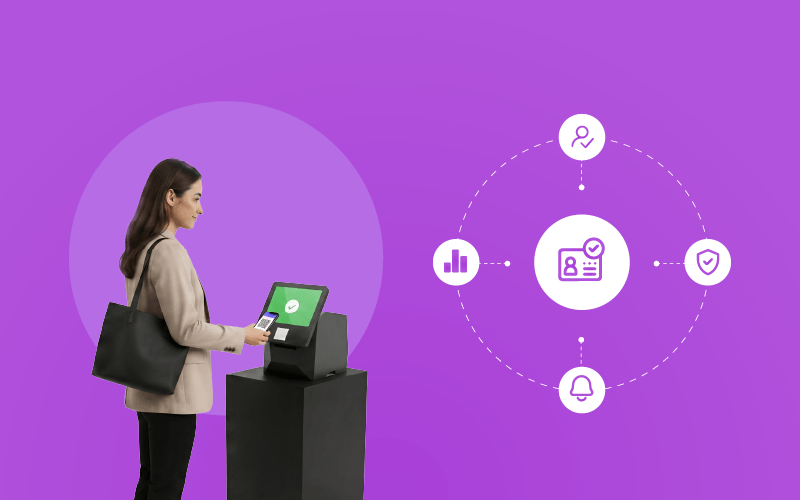
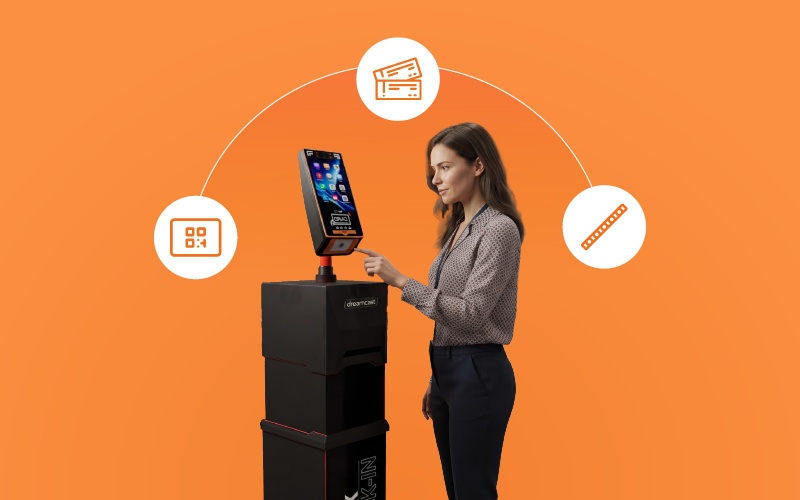
Strategy 9: Use Self Check-In Kiosks

Self-service is powerful. Self check-in kiosks allow attendees to:

Self Check-In Kiosks
  • Scan QR codes.
  • Print badges.
  • Confirm details.
  • Enter without staff assistance.

This reduces dependency on manpower. Kiosks are especially useful during peak times when event registration delays are most likely. They are a smart addition to modern event registration systems. 

Strategy 10: Monitor Registration Data in Real Time

Real-time insights help you act fast. With live dashboards, you can:

  • See peak arrival times.
  • Identify bottlenecks.
  • Add counters instantly.
  • Reassign staff.
  • Redirect foot traffic.

This proactive approach improves event registration management on the spot. Without real-time data, you react too late. The data-driven event registration process is powerful. The congestion stays under control even when attendance spikes.

Bonus Tips to Further Reduce Event Registration Delays

Here are a few extra tips that work surprisingly well:

  • Open registration counters early.
  • Avoid complex verification steps.
  • Keep registration questions minimal.
  • Use large, readable signage.
  • Provide clear instructions before arrival.

Small improvements add up. Together, they reduce event registration congestion significantly.

How Technology Transforms Event Registration Management

The speed and accuracy are essential are modern events. A smart event registration platform is no longer optional. It is essential. The right platform helps with:

  • Automated check-ins.
  • Faster badge printing.
  • Attendee tracking.
  • Real-time reporting.
  • Seamless event registration management.

Technology removes friction from the event registration process. Smooth process means better attendee experience. 

The Cost of Ignoring Event Registration Congestion

Ignoring registration issues is risky. Event registration delays can lead to:

  • Negative first impressions.
  • Attendee frustration.
  • Poor reviews.
  • Missed sessions.
  • Overworked staff.

Your registration desk is the first touchpoint. If it fails, everything after feels harder. Fixing congestion is not just about speed. It is about trust and professionalism.

Final Thoughts 

A great event starts at the entrance. By reducing event registration congestion, you set the tone for success. Use the right tools. Train your team. Plan for peak times. Communicate clearly. Most importantly, treat registration as a core part of the event experience. Not a last-minute task. 

With the right strategies, you can eliminate event registration delays. You can create a welcoming start for every attendee. A smooth event registration process is no longer a luxury. It is an expectation. And with the right event registration management and event registration platform, it is completely achievable.

FAQs

1. What causes delays during event registration?

Several things can slow down the process. Often, it’s a mix of slow on-site registrations and manual verification. Don’t use outdated software. Don’t have untrained staff. They can also create bottlenecks. Moreover, poor crowd flow planning can lead to long lines. A lack of communication also contributes to delays.

2. How does technology help reduce event registration congestion?

Modern tools make a huge difference. Using a platform with QR code scanning and instant badge printing allows guests to check in quickly. This tech provides real-time updates. So, organizers find it much easier. They can manage the attendee flow and keep things moving.

3. Is online registration actually worth it?

Yes, it is one of the best ways to prevent congestion. Guests can register early. It minimizes on-site data entry. It makes check-ins much faster. This lets organizers keep all attendee info organized. The data stays in one centralized system.

4. Can self check-in kiosks replace manual registration desks?

Kiosks shouldn’t replace your team entirely. But they do help clear out crowds. They are perfect for large events. Guests can handle their own check-in. It works best when integrated with a reliable event registration platform.

5. What role does communication play in reducing registration delays?

Good communication sets the right expectations. Sending emails and messages with check-in instructions is effective. This improves the event registration process. It also minimizes the last-minute confusion.

Raghav Ojha

A versatile content writer with a knack for writing on diverse tech niche and always striving to evolve in the digital age.

Read All Articles

Leave a Reply

Your email address will not be published. Required fields are marked *

Join Live Demo