Event tech management is the backbone of an event’s success, whether it is onsite or online. Your event could be armored with the best technology, but if it’s poorly managed, it could be a recipe for disaster. Moreover, it’s a myth that online event tech management is limited to overseeing the virtual platform. While on-site event management may seem like a bigger ordeal due to in-person logistics, online events can have a unique set of challenges. Just like onsite event tech management, online event tech management needs flawless planning, preparedness, and coordination. Online attendees need to be managed with the same efficiency as on-site crowds. However, despite having management as the common denominator, online and onsite event tech management have some key differences. Before diving into those, let’s quickly understand what each of these event tech types means.
Table of Contents
What is Online Event Tech Management?
Online event tech management goes far beyond simply setting up a virtual platform. It’s concerned with every technological aspect that contributes to the execution of a successful virtual event. As a virtual event organizer, your goal is to give your attendees and presenters a seamless experience. All of this depends on efficient tech management, whether it’s virtual conferences, webinars, online trade shows, or other digital platforms. Let’s see all that online event tech management encompasses:

- Overseeing platforms (like Zoom, Microsoft, etc.) that host the event, which includes all aspects like event check-in solutions, live streaming, interactive features, real-time technical troubleshooting, etc.
- Coordinating backend logistics, ensuring the speakers are well-equipped, and that attendees can easily navigate the virtual environment.
Effective online event tech management helps you make all these moving parts work together smoothly. From the moment someone joins the event link to the session wrap-up, tech management significantly determines attendee experience.
To better understand online event tech management, let’s take a look at the types and importance of online event technology. All these tech tools need meticulous management to make the event a success.
Online Event Technology: Types and Importance
– Live streaming: Live streaming has become a trend in most online events, especially large-scale events. It boosts event visibility, which benefits organizers. High-quality live streaming lets remote attendees interact with the event using live chats, Q&A features, polls, emojis, etc.
– Project Management Software: Planning online events also requires top-notch coordination among event planners. So, it’s not the best idea to miss out on a digital aide that can help you carry out the essential functions of online event planning.
– Social Media Integration: Events are no longer counted as a success unless they have likes, reposts, and comments to boast of. Here comes social media integration. Technology can help you leverage social media in various ways. Be it real-time feeds, live interactions (likes and comments), or spontaneous content curation, event tech tools have massive potential.
– Virtual Registration Tools: If you don’t have a solid attendee registration and tracking process in place, your event is far from successful. Smart organizers use smart event tech to register attendees and consolidate their data, too! It helps them gain valuable insights and a competitive advantage over others who treat their events as a come-and-go.
-Audience Engagement Tools: When it’s about virtual training sessions or workshops, audience engagement is non-negotiable. Given our fleeting attention spans, none of us can sit and stare at a screen for long hours without anything interesting to hook us. Hence, gamification. Injecting a little bit of fun into the mundane is never a bad idea. Quick online trivia, attractive rewards upon a few guided clicks are great ways to make an online event memorable.
What is On-site Event Tech Management?
On-site event tech management is an integral part of overall on-site event management these days. It works toward ensuring that physical events are technologically foolproof. On-site event management needs various systems and processes in place for overall seamlessness, like on-site event check-in solutions, a smooth event registration system, on-site event badge solutions, etc. Considering that most of these processes have now become tech-driven, the need for on-site event tech management has also boomed. Let’s see all that onsite event tech management encompasses:

– Setting up and testing all the equipment before the event begins
– Troubleshooting any real-time technical issues
– Overseeing live streaming or hybrid event setups
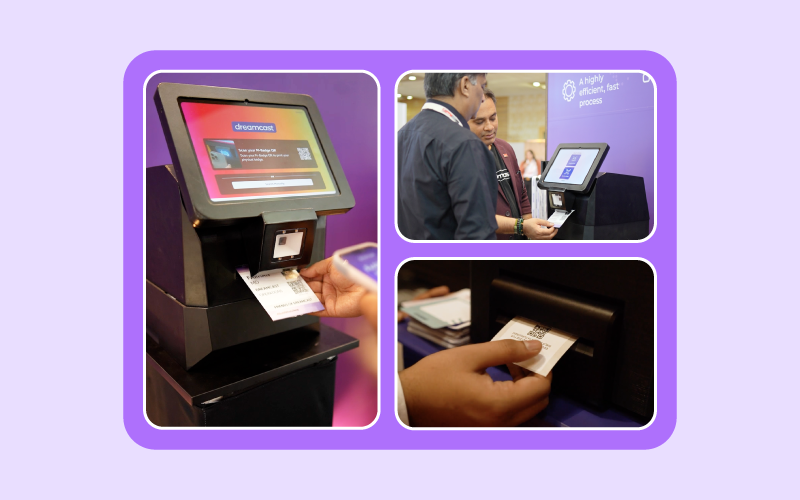
– Ensuring that registration check-ins, badge printing, and event apps are running without hiccups.
– Monitoring backend operations to avoid any technical disruptions.
Tech management in on-site events may be the background player, but it’s vital. When attendees leave an event, the event experience matters just as much as the content, speakers, and performances in making it memorable. Let’s better understand this by looking at the different types of on-site event technology.
Onsite Event Technology: Types and Importance
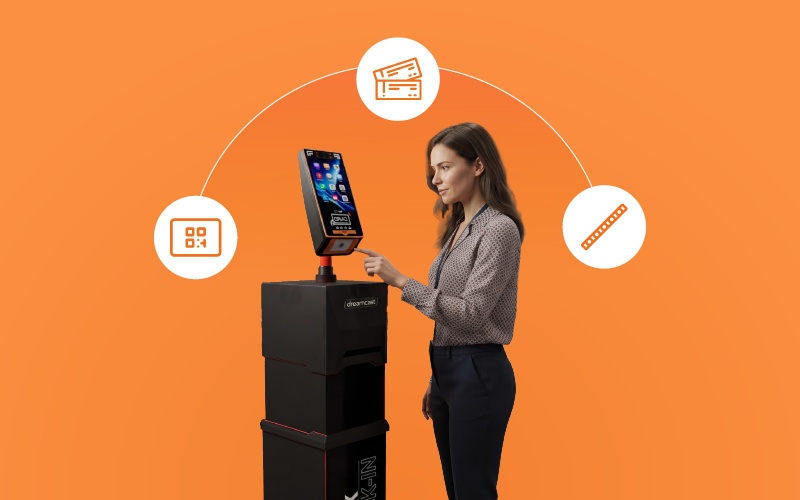
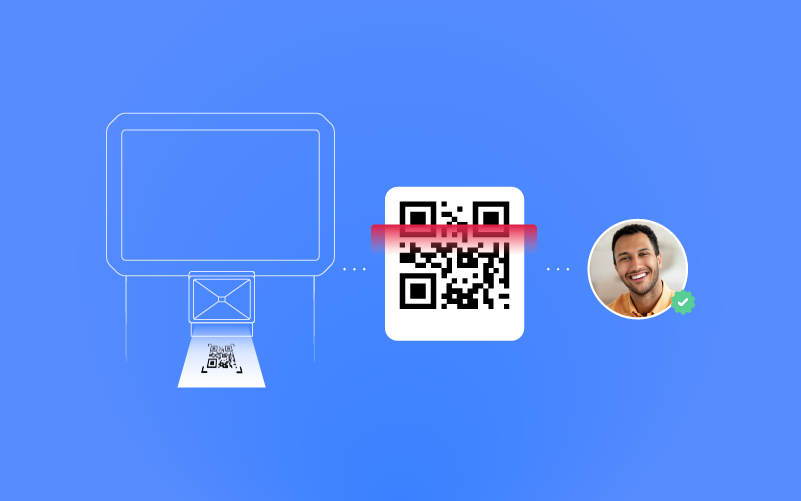
– Bar Codes and Kiosks: No one likes waiting in long queues only to end up undergoing a tedious physical verification again. Hence, bar code scanners and smart registration kiosks are popular choices among event organizers.
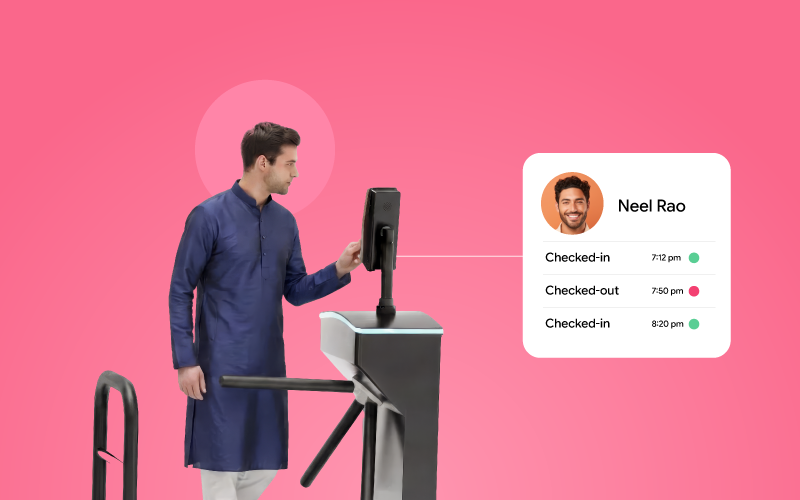
- Access Control Tool: On-site events require impeccable crowd management. There are several instances in onsite events when people’s access to the different venues needs to be managed. You may not want the general public to access the guest lounge or the control room. For such scenarios, NFC technology comes in handy. Using this, planners can easily control attendee access to different venues.
- AI Assistance: AI has made a revolutionary entry in nearly all fields of work; events are no exception. AI-powered assistants are increasingly gaining popularity in the event tech space. From answering attendees’ questions to consolidating event data for organizers, AI is quickly becoming a one-stop solution for event organizers.
- Event Information Apps: One of the latest key trends in event tech is having a comprehensive mobile event app for attendees to access all the event-related information. An app that serves as a virtual guide for attendees to know about floor plans, speaker bios, the event agenda, etc. Such apps may also include interactive features and monetization elements.
Online vs. Onsite Event Technology: Key Differences
It’s a no-brainer that the nature and scale of event tech management depend on the tech in question. While the end goal of tech management in both online and on-site events is the smooth execution of the event plan, there are some key differences between the kinds of tech used in these events. Additionally, there are differences based on several other factors that are listed below.
Same Same But Different
As mentioned earlier, event tech management is a bigger deal than tool usage. It involves aspects like planning, execution, risk analysis, staffing, etc. While these aspects remain common between online and onsite events, their nature varies. Let’s see how!
Key Differences Between Online and On-Site Event Tech Management
| Aspect | Online Events | On-site Events |
| Technology Management | Majorly depend on cloud-based platforms like Zoom, Microsoft, etc., which offer centralized oversight. | Require coordination across multiple hardware solutions and vendors. |
| Logistical Setup | Easier onboarding procedures and scale. The setup timelines are shorter. Fewer people and minimal physical components are needed. | Higher setup complexity. Early planning and dry runs are required. More people and more physical components are needed. |
| Support and Staffing | Focus is mostly on virtual troubleshooting. Support staff largely comprises IT experts and platform admins. | Have wider support and staffing requirements. Several hands uphold the functionality of onsite events. |
| Risk Management | Risks are mainly related to server, platform, or user-side issues. Contingency plans focus on cloud backups and IT support. Can be delayed due to poor remote coordination. | Risks revolve around power failures, hardware breakdowns, etc. Contingency plans focus on backup staff, emergency rentals, and equipment backup. |
| Customization | Customizations are software-dependent. Limited by templates and vendor offerings.Limited scope of mixing and matching motley elements. | Offers a broader spectrum of customizations. Allows complete environmental branding starting from the venue entrance. |
| Cost Management | Lower overall cost. Contingency budget needs are lower. The per-attendee cost plummets with a higher scale. | Higher overall cost. Higher contingency budgets are required. Cost per attendee isn’t as dynamic as that in online events. |

Takeaway:
The key to every successful event these days is to excel in its tech management. In the present times, hardly any event can be seen without technological elements. From check-in to check-out, or sign-in to sign-out, event technology significantly determines the seamlessness of events. This applies to both online and onsite events. While the tech management strategies in both these types of events have some common elements, they have some major differences too. The key parameters on which event tech management strategies vary are technology management, logistics, staffing, risk management, cost effectiveness, and customization. If you pay sincere attention to the tech side of your events, your attendees will not only stay engaged throughout the event, but they will also remember your event long after it’s over. Providing top-notch experiences to your attendees gets you traction, leads, popularity, and of course, more business! So, make your event worth attending with excellent event tech!